

Proudly Serving Nashville and Surrounding Communities
Call us right now: (615) 794-6535
Text us right now: (615) 235-6476
Categories
Mosquitoes

How Fast Does Mosquito Treatment Work in Nashville Yards?

If you’re considering mosquito treatment in Nashville, TN, you’re probably wondering how fast it works. After all, no one wants to wait weeks before enjoying a mosquito‑free backyard. The good news is that modern treatments are designed to act quickly, reducing mosquito activity within hours and creating a protective barrier that lasts for weeks.

Immediate Impact: What Happens Right After Treatment

When a professional mosquito spray is applied, the results begin almost instantly. The treatment is designed to target adult mosquitoes on contact, which means you’ll notice fewer buzzing around your yard within hours. This immediate knockdown effect is especially important during peak mosquito season in Nashville, when families want relief fast. By the time evening rolls around, many homeowners already feel a difference in how comfortable their outdoor spaces are.

What you can expect right away:

  • Noticeable drop in activity within hours: Most homeowners see a sharp reduction in mosquitoes the same day, making outdoor spaces more enjoyable almost immediately.
  • Adult mosquitoes eliminated on contact: The spray is formulated to kill mosquitoes that land on treated surfaces, cutting down the existing population quickly.
  • Evening comfort restored: Since mosquitoes are most active at dusk, treatments applied earlier in the day often mean a more peaceful evening outdoors.
  • Safer gatherings right away: Families hosting barbecues or outdoor events often report a dramatic improvement in comfort within the first 24 hours.

The First Few Days: Noticeable Reduction

In the days following treatment, residual products continue to work. These treatments cling to foliage, shaded areas, and mosquito resting spots, creating a protective barrier. This ensures that new mosquitoes entering your yard are also affected. Homeowners often report a dramatic improvement in outdoor comfort within 48–72 hours, with fewer bites and less buzzing around patios and decks.

During this period, the treatment is not only reducing adult mosquitoes but also disrupting their breeding cycle. By targeting areas where mosquitoes rest and reproduce, the spray helps prevent new generations from emerging. This is why the first few days are critical—they set the stage for longer‑term control and make each subsequent treatment more effective.

Many homeowners also notice that mosquito “hot spots” begin to fade during this time. Shaded corners, dense landscaping, and damp areas that typically attract mosquitoes become less active as the residual product continues to suppress activity. This makes the entire yard more usable and enjoyable for family gatherings, evening relaxation, or outdoor play.

Long-Term Control: Sustained Results

While the first spray provides quick relief, mosquito control is most effective when it’s maintained over time. Residual products continue working after the initial application, clinging to shaded areas, foliage, and mosquito resting spots to create a protective barrier. This barrier ensures that new mosquitoes entering your yard are also impacted. With regular treatments every 21–30 days, homeowners can enjoy consistent protection throughout the season. Long-term control is what transforms a temporary fix into a reliable solution for Nashville yards.

How long-term control works:

  • Residual product continues working on foliage: The treatment bonds to leaves and shaded areas where mosquitoes rest, ensuring ongoing effectiveness even after the initial spray.
  • New mosquitoes are affected by the barrier: Any mosquitoes that fly into the yard after treatment encounter the residual product, keeping populations suppressed.
  • Regular treatments break breeding cycles: By maintaining a consistent schedule, the service prevents mosquitoes from reproducing and re‑establishing colonies.
  • Year‑round plans keep numbers low: Seasonal or annual service packages provide continuous protection, ensuring your yard stays comfortable across changing weather conditions.
  • Eco‑friendly options available: For families concerned about the environment, green treatments offer long‑lasting control with minimal ecological impact.

Factors That Influence Speed of Results

Several conditions can affect how fast mosquito control works in Nashville yards:

  • Weather patterns: Rain or humidity can shorten product effectiveness, while dry conditions help treatments bond better and last longer.
  • Yard size and landscaping density: Larger or heavily vegetated yards give mosquitoes more hiding spots, so results may take longer to show fully.
  • Nearby water sources or breeding sites: Ponds, birdbaths, or puddles can fuel mosquito populations unless standing water is reduced or treated.
  • Frequency of treatments and follow‑up care: One spray helps, but consistent applications prevent mosquitoes from returning and keep results strong.

Homeowners who recognize these influences are better prepared for how quickly results will appear and how long they will last. With a tailored plan and steady prevention, mosquito treatments in Nashville provide both immediate comfort and dependable protection throughout the season.

Prevention Services for Lasting Protection

Beyond sprays, mosquito prevention services in Nashville, TN include strategies like eliminating standing water, treating breeding areas, and using eco‑friendly products. Combining these methods with professional spraying ensures the best mosquito reduction in Nashville yards.

At All Pest Solutions, we tailor each mosquito yard treatment for Nashville homes to match the unique layout, landscaping, and outdoor habits of every property. Instead of relying on a one-size-fits-all approach, our team carefully evaluates the conditions that attract mosquitoes—from shaded foliage to damp areas—and applies targeted solutions that deliver the strongest results. With more than 50 years of trusted service in Middle Tennessee, we’ve built a reputation for fast relief, long‑lasting protection, and treatments that are safe for families, pets, and the environment.

Make your backyard comfortable and safe. Contact All Pest Solutions today for trusted mosquito control results.

Categories
Termites

How Nashville’s Soil & Moisture Levels Impact Termite Activity

The risk of termites in Nashville is tied not just to the insects themselves but also to the unique geology and climate of Middle Tennessee—clay soils that retain water and seasonal humidity that keeps the ground damp, creating ideal conditions for subterranean colonies to thrive. These environmental factors explain why termite activity is so persistent in the region and why infestations often feel unavoidable without preventive measures.

Here are the environmental examples that show how Nashville’s soil and moisture levels directly impact termite activity and increase risks for Tennessee homes.

Clay‑Rich Soil Retains Moisture

Nashville’s clay‑heavy soil is one of the biggest contributors to termite problems. Unlike sandy soil, which drains quickly, clay holds water for long periods of time. This creates damp conditions beneath and around homes, which termites rely on to survive. Subterranean termites use this moisture to build stable tunnels, giving them direct access to wooden structures.

The problem is especially pronounced in neighborhoods built on low‑lying or poorly drained lots. Because the soil rarely dries out completely, it provides termites with a year‑round pathway into homes. Even during drier seasons, the clay retains enough moisture to sustain colonies, making termite activity a constant risk rather than a seasonal issue.

Foundation Drainage Problems

Water pooling around a home’s foundation is more than just a cosmetic issue—it’s a direct invitation for termites. When soil near the foundation stays damp, it creates a perfect environment for colonies to thrive. Termites use this moisture to travel through the soil and into crawl spaces or basements, often unnoticed until damage is significant.

Homes without proper grading or drainage systems face a much higher risk of infestation. Downspouts that empty too close to the house, improperly sloped yards, or missing French drains all contribute to excess moisture. Over time, this constant dampness weakens the foundation and makes it easier for termites to establish themselves.

Leaky Plumbing and HVAC Condensation

Moisture from leaky pipes or HVAC units often seeps into the soil beneath a home. Even small leaks can create damp pockets that attract termites, especially when the problem goes unnoticed for months. These hidden sources of water provide termites with the hydration they need to survive and expand their colonies.

Over time, these damp areas become gateways for termites to move closer to the structure. Because plumbing leaks and condensation are often concealed behind walls or under floors, homeowners may not realize the risk until termites have already caused damage. Regular maintenance and inspections are essential to catch these issues early.

Crawl Spaces Without Ventilation

Unventilated crawl spaces trap humidity, keeping the soil beneath a home damp year‑round. This stagnant moisture is one of the most common termite risk factors in Middle Tennessee.

Key Risk Factors in Crawl Spaces:

  • Lack of vapor barriers: Without a protective barrier, moisture from the soil rises directly into the crawl space, creating damp conditions that termites exploit.
  • Poor or no ventilation systems: Stagnant air traps humidity, keeping wooden beams and insulation damp year‑round.
  • Standing water after heavy rains: Pooled water beneath the home saturates the soil, giving termites a constant source of hydration.
  • Insulation absorbing moisture: Wet insulation holds dampness against structural wood, accelerating decay and attracting termites.
  • Wooden beams exposed to damp soil: Direct contact between untreated wood and moist soil provides termites with easy access to food and shelter.

Mulch and Soil Against Exterior Walls

Many Nashville homeowners use mulch for landscaping, but when it’s piled against exterior walls, it holds moisture directly against the foundation. Termites are drawn to this damp organic material, making it an easy bridge into the home.

Landscaping Mistakes That Attract Termites:

  • Mulch piled high against siding: Mulch retains moisture and creates a bridge for termites to move from soil into the home’s foundation.
  • Soil mounded against exterior walls: Raised soil keeps siding damp and allows termites to bypass protective barriers.
  • Flower beds with poor drainage: Excess water around plants saturates the soil, encouraging termite colonies to nest nearby.
  • Wooden edging that stays damp: Decorative timber borders absorb moisture and serve as a food source for termites.
  • Overwatering near the foundation: Frequent watering keeps soil wet, creating ideal conditions for subterranean termites to thrive.

Seasonal Humidity Spikes

Spring and summer bring high humidity levels across Nashville, and this seasonal change accelerates termite activity. The excess moisture in the air makes it easier for colonies to thrive and increases the likelihood of swarming events. Swarmers are winged termites that leave mature colonies to establish new ones, often appearing in large numbers around homes.

Homeowners frequently mistake swarmers for flying ants, but their presence is a clear warning sign of nearby colonies. Recognizing these seasonal patterns is critical to preventing infestations before they spread. By understanding how humidity drives termite behavior, homeowners can take proactive steps to protect their property during peak risk months.

Preventing Termite Problems Through Moisture Control

The best defense against termites is managing moisture around your property. By addressing the environmental conditions that termites rely on, you can make your home far less attractive to colonies.

Practical Moisture Control Steps:

  • Improve drainage: Gutters and downspouts should carry water away from the foundation. When water pools near the base of a home, the soil stays damp and creates conditions termites thrive in. Extending downspouts or re‑grading the yard helps keep the soil dry and less inviting.
  • Seal foundation cracks: Even small cracks in concrete or brick can let in moisture and give termites an entry point. Sealing these gaps reduces dampness inside and blocks hidden access routes that colonies often exploit.
  • Install vapor barriers: A vapor barrier in crawl spaces prevents moisture from rising out of the soil. This keeps wood and insulation dry, cutting off the damp environment termites need to survive.
  • Ventilate crawl spaces:  Good airflow reduces humidity and prevents condensation. Adding vents or fans helps keep crawl spaces dry and less attractive to termites.
  • Schedule regular inspections: Professional inspections catch hidden termite activity early. Detecting problems before they spread saves homeowners from costly repairs and keeps moisture issues under control.

These steps are most effective when paired with professional monitoring and treatment from All Pest Solutions. With over 50 years of experience protecting Middle Tennessee homes, our family‑owned team uses proven methods like the Sentricon Termite Elimination System to stop colonies before they reach your property. Our approach blends local expertise with eco‑friendly practices, giving homeowners confidence that their homes are protected for the long run.

Contact All Pest Solutions today to schedule an inspection. Start building lasting protection against termites.

Categories
Termites

Termite Inspection Process in Nashville—What to Expect

Protecting your home from termites starts with a thorough inspection. In Nashville, professional termite inspections follow a clear process designed to uncover hidden activity and prevent costly damage. Here’s what homeowners can expect when scheduling an inspection.

Initial Consultation

The inspection begins with a conversation. Your inspector will ask about any signs of termite activity you’ve noticed, such as warped wood, bubbling paint, or unexplained cracks. This dialogue helps them understand whether there are immediate concerns that need closer attention.

Homeowners are encouraged to share the history of pest treatments, whether professional or DIY. Past infestations, even if treated, can reveal patterns that inspectors use to anticipate potential risks. This background information ensures the inspection is tailored to your property’s unique needs.

Inspectors ask about areas of concern around the home. Crawl spaces, basements, and wooden decks are common trouble spots, and pointing them out early allows the inspector to prioritize those areas during the walkthrough.

Finally, any unusual sounds, odors, or sightings should be mentioned. Even small details, like discarded insect wings or faint clicking noises in walls, can provide valuable clues that guide the inspection process.

Exterior Examination

The exterior of the home is often the first line of defense against termites. Inspectors carefully examine the foundation for cracks, gaps, or mud tubes, which are telltale signs of subterranean termite activity. These small details can reveal major problems if left unchecked.

Wooden structures such as decks, fences, and sheds are inspected closely. Termites are drawn to untreated or weathered wood, and damage here can indicate that pests are nearby or already active. Inspectors look for hollow sounds, soft spots, or peeling paint that may conceal infestation.

Moisture buildup around the perimeter of the home is another critical factor. Gutters, downspouts, and air conditioning units often create damp soil conditions that attract termites. Inspectors note these areas and may recommend drainage improvements to reduce risk.

Landscaping features like mulch beds, firewood stacks, or vegetation growing too close to the home are assessed. These elements can trap moisture and provide pathways for termites to reach the structure, making exterior examination essential for prevention.

Interior Inspection

Once the exterior is reviewed, inspectors move indoors to uncover hidden activity. Baseboards, crawl spaces, and attics are common areas where termites leave subtle signs of damage. Inspectors look for droppings, frass, or unusual dust near wooden structures.

Wooden surfaces are tapped to detect hollow sounds. This technique helps reveal internal feeding that may not be visible on the surface. Hollow wood is a strong indicator of termite presence and requires immediate attention.

Discarded wings near windowsills, vents, or light fixtures are another clue. Swarming termites shed their wings after finding a nesting site, and these small remnants often go unnoticed by homeowners. Inspectors know exactly where to look for them.

Moisture-prone areas inside the home, such as kitchens, laundry rooms, and bathrooms, are inspected carefully. Plumbing leaks or condensation can create ideal conditions for termites, making interior checks just as important as exterior ones.

Moisture and Risk Assessment

Because termites thrive in damp environments, inspectors evaluate moisture levels throughout the property. Crawl spaces, basements, and attics are tested for humidity, which can reveal hidden vulnerabilities.

Plumbing leaks, condensation, and poor ventilation are noted during this stage. Even minor issues can create long-term dampness that attracts termites. Inspectors often recommend repairs or upgrades to reduce these risks.

Wood-to-soil contact points are another focus. Porch posts, siding, or stair supports that touch the ground provide direct access for termites. Identifying and correcting these issues can significantly reduce the chance of infestation.

Ventilation systems are assessed to ensure proper airflow. Poor ventilation traps moisture, while improvements like dehumidifiers or sump pumps can help maintain a dry environment. Inspectors highlight these solutions as part of their risk assessment.

Detailed Findings and Report

At the end of the inspection, homeowners receive a detailed report. This document outlines evidence of termites or risk factors discovered during the process, giving a clear picture of the property’s condition.

Photos or diagrams are often included to illustrate problem areas. Visual documentation helps homeowners understand exactly where issues exist and why they matter.

Treatment options are suggested based on findings. These may include bait systems, barrier treatments, or spot applications, depending on the severity of the infestation. Preventive measures like sealing cracks or reducing moisture are also recommended.

Inspectors answer questions about long-term protection, warranties, and maintenance plans. For real estate transactions, termite clearance letters may be provided to satisfy lender requirements and ensure smooth closings.

How Long Does It Take?

A termite inspection in Nashville typically lasts between 45 minutes to an hour, but the exact duration depends on the property’s size and layout. Smaller homes with straightforward access points can be inspected more quickly, while larger houses with crawl spaces, attics, or multiple wooden structures require additional time. Inspectors move carefully through each stage—from consultation to exterior and interior checks—to ensure no detail is overlooked.

The condition of the home can influence the timeline as well. Properties with visible damage, water issues, or multiple areas of concern may take longer because inspectors spend extra time documenting findings and explaining them to the homeowner. This thorough approach ensures the inspection is not rushed and that every potential risk is properly assessed, giving homeowners confidence in the results.

Cost and Scheduling

The cost of a termite inspection in Nashville, TN varies depending on factors such as property size, whether the inspection is part of a real estate transaction, and the level of detail required. For homeowners, the fee is modest compared to the potential expense of repairing termite damage, which can reach thousands of dollars. Real estate inspections often include official clearance letters required by lenders, making them an essential step in property transactions.

Scheduling an inspection is most effective when done proactively. Experts recommend annual inspections for Nashville homes due to Tennessee’s humid climate, which creates ideal conditions for termites. Homeowners should arrange an inspection immediately if they notice warning signs such as mud tubes, discarded wings, or unexplained wood damage. Regular scheduling not only protects the property but provides peace of mind knowing professionals are monitoring for hidden threats year-round.

Professional Termite Inspections: Your Best Defense

Detecting termites without professional help is extremely difficult. These pests are experts at staying hidden, and by the time visible damage appears, the infestation is often advanced. Licensed inspectors are trained to recognize subtle warning signs that most homeowners overlook, such as faint mud tubes, hollow wood, or discarded wings in inconspicuous places. Their expertise ensures problems are caught early, before costly repairs become unavoidable.

Professional inspectors rely on specialized tools and proven methods to uncover termite activity. Moisture meters, probing devices, and detection systems allow them to identify issues inside walls, floors, and foundations that a homeowner would never spot on their own. This thorough approach provides a level of accuracy and reliability that DIY checks simply cannot match.

Partner with All Pest Solutions to protect your Nashville home. Our licensed technicians combine decades of experience with advanced systems like the Sentricon Termite Elimination System to deliver inspections that are both comprehensive and eco‑friendly. We don’t just identify risks—we provide guaranteed solutions tailored to your property, making us the trusted defense against termites for families and real estate professionals across Middle Tennessee.

Categories
Termites

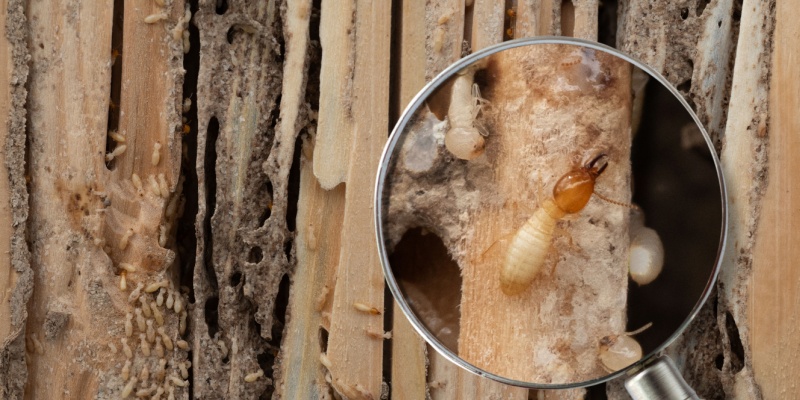
How Do I Know If I Have Termites in My Nashville Home?

Termites are a hidden threat to Nashville homes, often causing damage long before homeowners realize they’re there. They thrive in Tennessee’s climate and can quietly weaken wood from the inside out. So how do you know if you have termites in your Nashville home? Here are the signs to look for.

The Telltale Trails of Termites

Mud tubes are one of the most recognizable signs of termite activity. These pencil-thin tunnels are built from soil, saliva, and waste, creating protective highways for termites to travel between their underground colonies and the wood they feed on. You’ll often find them along foundations, crawl spaces, or basement walls, especially in shaded or damp areas.

The reason termites build mud tubes is simple: they need moisture to survive. These tubes help them retain humidity while shielding them from predators and sunlight. If you break a tube and see it rebuilt within days, that’s a strong indicator of an active infestation. Unlike other pests, termites rely heavily on these structures, so their presence is rarely accidental.

Homeowners in Nashville should make it a habit to inspect exterior walls and foundations regularly. Even a small mud tube can signal a much larger colony hidden beneath the soil. Catching this sign early can prevent termites from spreading deeper into your home’s structure.

Silent Destruction Inside the Beams

Termites consume wood from the inside out, leaving the surface intact while hollowing the interior. This makes detection tricky, but tapping on beams, floors, or furniture can reveal a hollow sound. In severe cases, wood may crumble easily when touched, showing just how much damage has been done beneath the surface.

Unlike rot, which leaves wood soft, discolored, and irregular, termite damage often appears clean and smooth inside the galleries they carve. This is because termites eat cellulose directly, leaving behind distinct patterns that differ from natural decay. The damage compromises the strength of the wood, making it unsafe for structural support.

In Nashville homes, termites often target structural wood such as support beams, flooring, and window frames. Regular inspections of these areas can help catch damage before it compromises the integrity of your home. If you notice hollow wood, it’s time to call for a professional inspection.

Wings Left Behind After Swarming

When termites swarm to establish new colonies, they shed their wings. These discarded wings often collect near windowsills, doors, or light fixtures. Because termite wings are equal in size, they’re easy to distinguish from ant wings, which differ in length.

Swarming typically occurs in warm, humid weather — conditions Nashville experiences frequently in spring and summer. Finding piles of wings indoors or around entry points is a strong sign that termites are nearby. It means they’ve already entered your home or are attempting to start a colony close by.

This stage of infestation is critical. Once termites settle in, they begin feeding immediately. If you notice wings, professional intervention is crucial to prevent long-term damage. Ignoring this sign could allow termites to establish themselves and spread quickly.

Sawdust That Isn’t Sawdust

Drywood termites leave behind frass, which looks like tiny pellets or sawdust. Unlike regular dust or debris, frass tends to accumulate in small piles and has a distinct texture. These droppings are a byproduct of termites tunneling through wood.

Because termites push frass out of their galleries, you may find it near baseboards, windowsills, or furniture. It often appears in consistent locations, which is a clue that termites are active inside the wood. Unlike carpenter ants, which leave behind shredded wood, termite frass is uniform and pellet-like.

In Nashville homes, frass is often mistaken for harmless dust. However, consistent piles in the same location should raise concern. Spotting frass early can help you catch an infestation before it spreads, saving you from costly repairs.

Damage That Looks Like Water

Termites tunneling close to the surface can cause paint to bubble or wood flooring to warp. These changes are often mistaken for water damage, but they may actually be signs of hidden termite activity.

Blistered paint occurs when termites create galleries just beneath the surface, disrupting the wood and causing uneven textures. Warped floors, on the other hand, result from weakened support structures. These changes can make your home unsafe if left untreated.

In Nashville’s humid climate, distinguishing between moisture damage and termite damage can be difficult. If you notice these issues without an obvious water source, termites may be the culprit. A professional inspection can confirm the cause and recommend the right treatment.

The Value of Timely Termite Inspections

Termite inspections are one of the most effective ways to protect your home in Nashville. Because termites are active year-round and often remain hidden behind walls or beneath floors, homeowners rarely notice them until the damage is advanced. A timely inspection ensures that any signs of activity are identified early, before colonies expand and cause widespread destruction.

From a financial perspective, inspections are a smart investment. Repairing termite damage can cost thousands of dollars, and most insurance policies exclude coverage for this type of destruction. By scheduling inspections regularly, you reduce the risk of unexpected expenses and preserve the long-term value of your property. Preventive care is far more affordable than structural repairs, making inspections a cost-effective safeguard for homeowners.

Inspections provide clarity and confidence. Even when mud tubes, hollow wood, or discarded wings are not visible, termites may still be present. Licensed professionals are trained to detect subtle indicators that homeowners often overlook, such as hidden entry points or early-stage damage inside walls. Their expertise ensures that your home is thoroughly checked and that any issues are addressed quickly, giving you peace of mind.

In Nashville, where termite pressure is consistently high due to the climate, annual inspections are not just a precaution — they are essential. By committing to timely inspections, you take proactive steps to protect your home’s structure, your family’s safety, and your financial security. It’s a simple measure that delivers lasting protection and confidence, ensuring your home remains strong for years to come.

Call the Experts in Nashville Termite Control

At All Pest Solutions, we’ve been protecting homes in Middle Tennessee for over 50 years. Our team uses the Sentricon Termite Elimination System, a proven eco-friendly solution that targets colonies before they reach your home. Whether you’ve noticed mud tubes, suspect wood damage, or simply want peace of mind, our licensed technicians provide thorough inspections and guaranteed treatments.

Don’t wait until termites compromise your home’s structure. Contact All Pest Solutions today for a termite inspection in Nashville, TN, and keep your property safe, strong, and pest-free.