
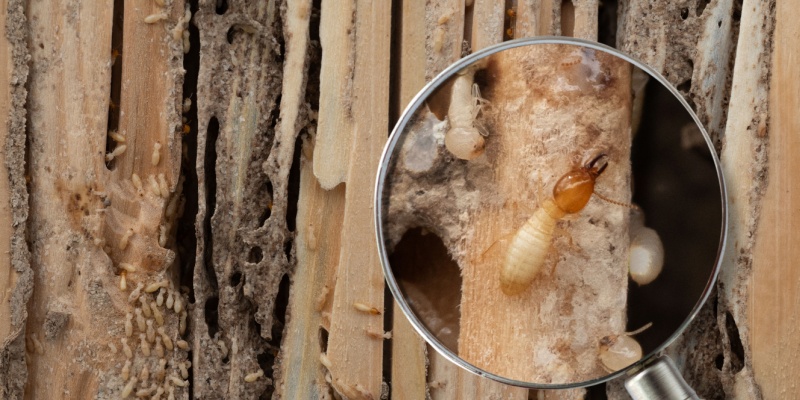
Protecting your home from termites starts with a thorough inspection. In Nashville, professional termite inspections follow a clear process designed to uncover hidden activity and prevent costly damage. Here’s what homeowners can expect when scheduling an inspection.
Initial Consultation
The inspection begins with a conversation. Your inspector will ask about any signs of termite activity you’ve noticed, such as warped wood, bubbling paint, or unexplained cracks. This dialogue helps them understand whether there are immediate concerns that need closer attention.
Homeowners are encouraged to share the history of pest treatments, whether professional or DIY. Past infestations, even if treated, can reveal patterns that inspectors use to anticipate potential risks. This background information ensures the inspection is tailored to your property’s unique needs.
Inspectors ask about areas of concern around the home. Crawl spaces, basements, and wooden decks are common trouble spots, and pointing them out early allows the inspector to prioritize those areas during the walkthrough.
Finally, any unusual sounds, odors, or sightings should be mentioned. Even small details, like discarded insect wings or faint clicking noises in walls, can provide valuable clues that guide the inspection process.
Exterior Examination
The exterior of the home is often the first line of defense against termites. Inspectors carefully examine the foundation for cracks, gaps, or mud tubes, which are telltale signs of subterranean termite activity. These small details can reveal major problems if left unchecked.
Wooden structures such as decks, fences, and sheds are inspected closely. Termites are drawn to untreated or weathered wood, and damage here can indicate that pests are nearby or already active. Inspectors look for hollow sounds, soft spots, or peeling paint that may conceal infestation.
Moisture buildup around the perimeter of the home is another critical factor. Gutters, downspouts, and air conditioning units often create damp soil conditions that attract termites. Inspectors note these areas and may recommend drainage improvements to reduce risk.
Landscaping features like mulch beds, firewood stacks, or vegetation growing too close to the home are assessed. These elements can trap moisture and provide pathways for termites to reach the structure, making exterior examination essential for prevention.
Interior Inspection
Once the exterior is reviewed, inspectors move indoors to uncover hidden activity. Baseboards, crawl spaces, and attics are common areas where termites leave subtle signs of damage. Inspectors look for droppings, frass, or unusual dust near wooden structures.
Wooden surfaces are tapped to detect hollow sounds. This technique helps reveal internal feeding that may not be visible on the surface. Hollow wood is a strong indicator of termite presence and requires immediate attention.
Discarded wings near windowsills, vents, or light fixtures are another clue. Swarming termites shed their wings after finding a nesting site, and these small remnants often go unnoticed by homeowners. Inspectors know exactly where to look for them.
Moisture-prone areas inside the home, such as kitchens, laundry rooms, and bathrooms, are inspected carefully. Plumbing leaks or condensation can create ideal conditions for termites, making interior checks just as important as exterior ones.
Moisture and Risk Assessment
Because termites thrive in damp environments, inspectors evaluate moisture levels throughout the property. Crawl spaces, basements, and attics are tested for humidity, which can reveal hidden vulnerabilities.
Plumbing leaks, condensation, and poor ventilation are noted during this stage. Even minor issues can create long-term dampness that attracts termites. Inspectors often recommend repairs or upgrades to reduce these risks.
Wood-to-soil contact points are another focus. Porch posts, siding, or stair supports that touch the ground provide direct access for termites. Identifying and correcting these issues can significantly reduce the chance of infestation.
Ventilation systems are assessed to ensure proper airflow. Poor ventilation traps moisture, while improvements like dehumidifiers or sump pumps can help maintain a dry environment. Inspectors highlight these solutions as part of their risk assessment.
Detailed Findings and Report
At the end of the inspection, homeowners receive a detailed report. This document outlines evidence of termites or risk factors discovered during the process, giving a clear picture of the property’s condition.
Photos or diagrams are often included to illustrate problem areas. Visual documentation helps homeowners understand exactly where issues exist and why they matter.
Treatment options are suggested based on findings. These may include bait systems, barrier treatments, or spot applications, depending on the severity of the infestation. Preventive measures like sealing cracks or reducing moisture are also recommended.
Inspectors answer questions about long-term protection, warranties, and maintenance plans. For real estate transactions, termite clearance letters may be provided to satisfy lender requirements and ensure smooth closings.
How Long Does It Take?
A termite inspection in Nashville typically lasts between 45 minutes to an hour, but the exact duration depends on the property’s size and layout. Smaller homes with straightforward access points can be inspected more quickly, while larger houses with crawl spaces, attics, or multiple wooden structures require additional time. Inspectors move carefully through each stage—from consultation to exterior and interior checks—to ensure no detail is overlooked.
The condition of the home can influence the timeline as well. Properties with visible damage, water issues, or multiple areas of concern may take longer because inspectors spend extra time documenting findings and explaining them to the homeowner. This thorough approach ensures the inspection is not rushed and that every potential risk is properly assessed, giving homeowners confidence in the results.
Cost and Scheduling
The cost of a termite inspection in Nashville, TN varies depending on factors such as property size, whether the inspection is part of a real estate transaction, and the level of detail required. For homeowners, the fee is modest compared to the potential expense of repairing termite damage, which can reach thousands of dollars. Real estate inspections often include official clearance letters required by lenders, making them an essential step in property transactions.
Scheduling an inspection is most effective when done proactively. Experts recommend annual inspections for Nashville homes due to Tennessee’s humid climate, which creates ideal conditions for termites. Homeowners should arrange an inspection immediately if they notice warning signs such as mud tubes, discarded wings, or unexplained wood damage. Regular scheduling not only protects the property but provides peace of mind knowing professionals are monitoring for hidden threats year-round.
Professional Termite Inspections: Your Best Defense
Detecting termites without professional help is extremely difficult. These pests are experts at staying hidden, and by the time visible damage appears, the infestation is often advanced. Licensed inspectors are trained to recognize subtle warning signs that most homeowners overlook, such as faint mud tubes, hollow wood, or discarded wings in inconspicuous places. Their expertise ensures problems are caught early, before costly repairs become unavoidable.
Professional inspectors rely on specialized tools and proven methods to uncover termite activity. Moisture meters, probing devices, and detection systems allow them to identify issues inside walls, floors, and foundations that a homeowner would never spot on their own. This thorough approach provides a level of accuracy and reliability that DIY checks simply cannot match.
Partner with All Pest Solutions to protect your Nashville home. Our licensed technicians combine decades of experience with advanced systems like the Sentricon Termite Elimination System to deliver inspections that are both comprehensive and eco‑friendly. We don’t just identify risks—we provide guaranteed solutions tailored to your property, making us the trusted defense against termites for families and real estate professionals across Middle Tennessee.