
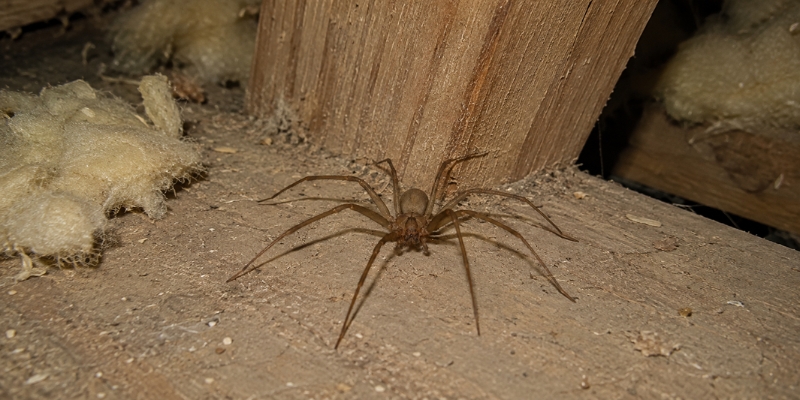
Garages, attics, and storage rooms give brown recluse spiders many of the conditions they favor: darkness, shelter, limited disturbance, and access to small insect prey. These areas also contain boxes, shelving, wall gaps, and stacked belongings that create secluded retreats. If suspicious spiders keep appearing around stored items, All Pest Solutions provides brown recluse and spider control in Nashville based on inspection and the conditions found in the home.
Quiet Spaces Allow Spiders to Remain Concealed
A kitchen counter, hallway, or busy living room offers few places for a reclusive spider to stay hidden. Storage areas are different. Boxes may remain in the same position for months. Attic corners receive little foot traffic. The rear wall of a garage cabinet can go undisturbed for years. Brown recluses can use these protected zones during the day and leave them at night to search for prey or mates.
The many narrow spaces in storage areas are especially useful. A spider can retreat behind a baseboard, between two boxes, under folded cardboard, inside a wall void, or along the back of a shelf. Webbing may be tucked into a crevice and look like a small, irregular patch rather than a prominent prey-catching web.
This behavior explains why moving stored belongings sometimes produces the first sighting. The spider may have occupied the area long before someone lifted the box or rearranged the shelf.
Garages Combine Access With Shelter
Garage doors create a large connection between indoor and outdoor environments. Small gaps around the door, utility penetrations, vents, and the shared wall can allow insects and spiders to move through the space. Light around the garage can also draw flying insects near the entrance after dark.
Inside, the garage often contains ideal hiding materials. Work gloves, shoes, sports equipment, tarps, paper bags, lumber, and cardboard all provide folds or cavities. Items stored directly against walls create travel routes that remain dark and protected. A garage used daily may still contain corners and cabinets that receive almost no disturbance.
Frequent spider activity in a garage may reflect spiders entering from outside, a population using indoor retreats, or abundant prey in the space. Identification and monitoring help distinguish those possibilities.
Attics Offer Warmth and Numerous Voids
Nashville attics can become very warm during late summer. Brown recluse spiders tolerate dry indoor locations and may use insulation edges, stored holiday decorations, rafter connections, and gaps around structural materials. Attics also contain routes into wall voids and other parts of the house.
An attic is difficult to inspect casually. Low light, insulation, exposed fasteners, limited walking surfaces, and extreme temperatures create safety concerns before spiders are considered. Avoid crawling through an unfamiliar attic or reaching under insulation to look for a suspected spider. A professional can plan an inspection around safe access and the most likely travel or shelter areas.
Rodents, moths, beetles, silverfish, and other small arthropods may also be present in attics or stored materials. Brown recluse spiders need prey, so an evaluation should consider the broader pest activity rather than focusing only on visible spiders.
Storage Habits Can Increase Accidental Contact
Brown recluse bites generally occur when a spider becomes trapped against skin. The way stored items are handled can influence that risk. Reaching into a dark box, putting on gloves that have been sitting in a garage, or carrying a carton against the body can press a hidden spider into contact.
Several storage changes can make these areas easier to inspect and use. Replace damaged cardboard with sturdy plastic containers that have secure lids, and leave a small inspection space between stored belongings and the wall. Keep boxes and loose items off the floor on stable shelving when practical.
Shake out shoes, gloves, clothing, and fabric decorations before use. Wear gloves and long sleeves when moving long-neglected materials, and reduce loose piles that create layers of protected hiding places.
Organize with safe access in mind. Stacks should remain stable, attic walkways should stay clear, and stored items should never block electrical equipment, vents, or required access points.
Cleaning Helps Reveal the Problem
Vacuuming accessible edges, removing old webs, and reducing clutter can eliminate some hiding sites and make future activity easier to spot. It may also reduce insects and egg sacs in reachable areas. Dispose of vacuum contents promptly in a sealed bag outside the living space.
Monitoring boards placed along walls, behind stored items, or near suspected travel routes can provide useful evidence. Keep them away from children and pets and check them regularly. The number, species, and location of captured spiders can help an inspector understand whether activity is isolated or distributed across the property.
A Focused Plan Starts With the Space
Brown recluse control may involve monitoring, reducing clutter, addressing pest prey, treating selected cracks or voids, and improving exclusion where appropriate. The plan should reflect the layout and use of the home. A detached garage with outdoor entry points presents a different situation from an attic connected to several interior wall voids.
If your garage, attic, or storage room keeps producing suspected brown recluse spiders, All Pest Solutions can inspect the space and recommend a targeted response. Schedule an evaluation with All Pest Solutions so the team can look at the hiding areas, evidence, and pest activity present in your Nashville home.