
As the Nashville summer heats up, you might notice an increase in buzzing activity around your porch, garden, or eaves. Whether you're enjoying a backyard barbecue or just trying to get in the front door without getting stung, encountering flying insects can quickly turn into an uncomfortable—and sometimes dangerous—experience.
But how do you know whether you’re dealing with wasps and hornets? While these stinging insects may look similar at first glance, there are some key differences in their behavior, nesting habits, and risk to humans. Understanding what’s buzzing around your home can help you make informed decisions and know when to call in professionals like All Pest Solutions.
The Basics: Wasp vs. Hornet
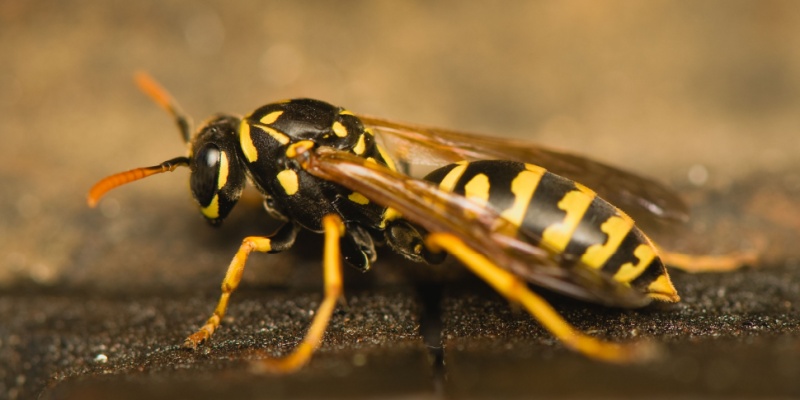
Wasps are a broad category of flying insects that includes hornets and yellow jackets. They tend to have slender bodies with a narrow “waist” between the thorax and abdomen. Most wasps are known for their aggressive behavior, especially when protecting their nests.
Hornets are a specific type of wasp—usually larger, more robust, and even more aggressive. In Tennessee, the most common hornet is the European hornet, which can reach up to 1.5 inches in length.
Here’s how to tell them apart:
| Feature | Wasps | Hornets |
| Size | Usually ½ - 1 inch | Up to 1.5 inches |
| Color | Bright yellow and black (often) | Brown with yellow or white markings |
| Shape | Thin waist, longer body | Stockier, more robust |
| Behavior | Can sting repeatedly | Highly aggressive, also sting repeatedly |
| Nest | Paper-like, under eaves or in bushes | Large, rounded, often in trees or attics |
Nesting Habits to Watch For
One of the easiest ways to identify wasps and hornets is by the location and shape of their nests.
- Paper Wasps build open, umbrella-shaped nests under eaves, decks, and railings. These are often visible and contain hexagonal cells.
- Hornets create enclosed, football-shaped nests often hidden high in trees, shrubs, or wall voids.
- Yellow Jackets (a type of wasp) often build their nests underground or inside wall cavities, making them harder to detect until you’ve disturbed them.
If you spot a nest—or worse, stumble upon one—you should avoid disturbing it. Disturbing a nest can provoke an aggressive swarm, especially in the case of hornets.
Why Are They Around Your Home?
Wasps and hornets are attracted to sugary foods, meat, and sweet drinks—making your backyard cookouts and trash bins perfect hunting grounds. Gardens with flowers or fruit trees also draw them in, as they forage for nectar or prey on other insects.
Additionally, structural openings in your home—like vents, gaps in siding, or attic spaces—can offer the perfect nesting spots, especially if they’re protected from the elements.
Are They Dangerous?
The short answer: yes.
Both wasps and hornets can sting multiple times, unlike bees that typically die after one sting. Their venom can cause intense pain, swelling, and in some cases, severe allergic reactions. For individuals who are allergic, a single sting can trigger anaphylaxis—a life-threatening emergency that requires immediate medical attention.
Even for those who aren’t allergic, multiple stings from an aggressive swarm can lead to serious complications. Hornets, in particular, are known to attack in large numbers when threatened.
DIY Isn’t Always the Answer
It might be tempting to grab a can of wasp spray and handle the problem yourself. However, this approach often does more harm than good. Spraying an active nest can provoke a mass attack, and if the nest is hidden inside a wall or attic, you may not even reach the core colony.
That’s why homeowners in Middle Tennessee rely on All Pest Solutions. We provide expert identification, safe removal, and long-term prevention for wasps and hornets—using proven techniques and eco-friendly treatments that protect your home and family.
How to Prevent Future Infestations
Once your home is free of stinging insects, it’s important to take preventive steps to keep them from returning:
- Seal entry points Inspect your home for gaps in siding, soffits, and attic vents.
- Cover food and drinks Especially outdoors during warmer months.
- Keep trash sealed Use tight-fitting lids on outdoor bins.
- Maintain landscaping Trim shrubs and trees near your house, and clear away fallen fruit or overripe vegetation.
- Schedule seasonal inspections Routine pest checks from All Pest Solutions can catch early signs of nests before they grow out of control.
Call All Pest Solutions Now
When it comes to wasps and hornets, quick identification and professional intervention are key to protecting your Nashville home. These insects may be small, but their stings—and the danger they bring—are not.
Don’t take chances. Let All Pest Solutions safely and effectively remove nests, reduce future risks, and restore your peace of mind. Reach out today to schedule your stinging insect inspection before summer is in full swing.