
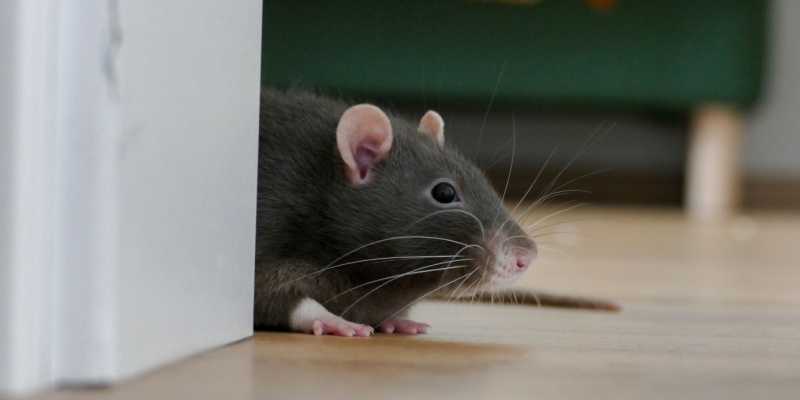
You might think your home is sealed tight, but to a determined rodent, it’s full of opportunities. A dime‑sized crack in the foundation, a loose vent cover, or a worn door sweep can all become an open invitation. Nashville homes, with their mix of older construction and cozy crawlspaces, are especially vulnerable. Rodents don’t just sneak in—they adapt quickly, finding food, warmth, and nesting spots once inside. Here are the most common entry points rodents use in Nashville homes and why each one poses a risk.
1. Foundation Cracks
Even small fractures in concrete or brick can serve as gateways. Mice are notorious for squeezing through dime‑sized openings, making foundation gaps one of the most overlooked vulnerabilities.
- Tiny cracks expand over time, creating larger access points — seal them with mortar or caulk early to prevent rodents from exploiting them as they widen
- Rodents burrow along weakened soil near foundations — reinforce soil and keep mulch or landscaping materials away from walls to reduce hiding spots
- Moisture damage accelerates structural gaps — repair leaks and drainage issues promptly to prevent erosion and rodent access routes
- Cracks hidden behind shrubs or clutter — keep vegetation trimmed so you can spot and seal gaps before rodents do
2. Gaps Around Doors
Weatherstripping that’s worn or thresholds that don’t sit flush create easy access. Rodents often exploit these spots at night when activity is low.
- Loose or missing door sweeps — install new sweeps to block entry and check them regularly for wear
- Warped wooden frames that don’t seal tightly — replace or adjust frames to ensure a snug fit that rodents can’t squeeze through
- Entry doors left open for ventilation — use screen doors or limit open time to prevent rodents from slipping inside unnoticed
- Garage side doors or back doors — inspect secondary entrances too, since rodents often target less‑used doors
3. Vents and Utility Lines
Dryer vents, HVAC openings, and pipe cutouts are common weak points. Without proper sealing or mesh, they act like open invitations.
- Uncovered dryer vents — add rodent‑proof vent covers that allow airflow but block pests from entering
- Gaps around plumbing pipes — seal with steel wool or expanding foam, materials rodents can’t chew through easily
- HVAC ducts without protective screens — install durable mesh to keep rodents out while maintaining proper ventilation
- Utility penetrations in basements — inspect where cables or wires enter, as rodents often chew through soft sealants
4. Rooflines and Eaves
Rats are skilled climbers. Loose shingles, soffits, or gaps along the roofline provide direct entry into attics and upper walls.
- Broken or missing shingles — repair or replace them quickly to eliminate gaps that rodents can exploit
- Open soffit vents — cover with durable mesh that allows airflow but prevents rodents from squeezing inside
- Gaps where roof meets siding — seal seams with weather‑resistant caulk to close off hidden access points
- Overhanging tree branches — trim branches that touch the roof, since rodents use them as bridges
5. Attics and Crawlspaces
These areas offer warmth and shelter, making them prime nesting spots. Once inside, rodents can spread quickly through insulation and wiring.
- Exposed insulation that attracts nesting — cover insulation and check for damage to prevent rodents from settling in
- Unsealed crawlspace vents — install vent covers designed for pest control to block entry without restricting airflow
- Gaps around attic access panels — add weatherstripping or secure panels tightly to eliminate overlooked entry points
- Stored items in crawlspaces — use sealed containers, since cardboard boxes are easily chewed and used for nesting
6. Garage Doors
A damaged seal at the bottom of a garage door is often enough for rodents to slip inside. Garages also provide food sources and hiding places.
- Worn rubber seals at the base — replace seals to eliminate gaps and inspect them regularly for deterioration
- Gaps between panels — adjust or repair door alignment to ensure panels close tightly without leaving openings
- Cluttered storage areas offering shelter — declutter and store items in sealed bins to reduce hiding spots for rodents
- Pet food or bird seed stored in garages — keep food in rodent‑proof containers to avoid attracting pests
7. Basement Windows
Cracked frames or missing screens are easy targets. Rodents often use these low‑level access points to move directly into living spaces.
- Broken or loose window panes — repair or replace damaged glass to prevent rodents from squeezing through weak spots
- Missing or torn screens — install new screens with fine mesh that blocks pests while allowing ventilation
- Gaps between window frames and masonry — seal edges with caulk or foam to close off hidden pathways into your basement
- Old or rarely used windows — inspect them regularly, since neglect often leaves unnoticed openings
Closing Off Entry Points for Good
Every crack, gap, or loose vent we’ve discussed is more than just a structural flaw—it’s an open door for rodents. Addressing these vulnerabilities quickly can be the difference between a minor issue and a widespread infestation. Nashville attics, crawlspaces, and basements are especially prone to rodent activity, and once they settle in, the damage can escalate fast.
The same weak spots highlighted above are the ones All Pest Solutions targets during inspections, sealing them to stop infestations before they spread. By reinforcing these entry points, our team helps homeowners maintain a secure, pest‑free environment year‑round. Safeguard your home and family by arranging a rodent inspection with All Pest Solutions.