
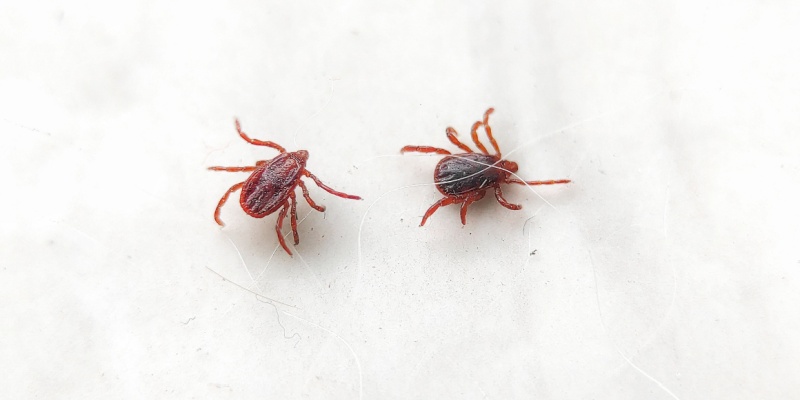
Tennessee’s scenic beauty and warm climate make it a haven for outdoor lovers. But whether you're hiking in the Smokies, camping in a local park, or simply letting your pets roam the backyard, there's a hidden threat that lurks in the tall grass—tick bites.
Ticks may be small, but the dangers they pose are serious. Beyond the immediate discomfort of a bite, ticks can transmit harmful diseases to both humans and animals. Understanding these risks and knowing how to protect your home and loved ones is essential, especially as tick season ramps up. That’s where All Pest Solutions can help.
The Growing Tick Problem in Tennessee
Ticks are more than just a nuisance. Tennessee is home to several species, including the Lone Star tick, American dog tick, and the black-legged (deer) tick. Each of these species is capable of transmitting dangerous pathogens, and with warmer winters and longer summers, their populations are on the rise.
As people and pets spend more time outdoors during the warmer months, exposure to ticks increases significantly. Unlike mosquitoes, ticks latch onto hosts and feed for extended periods, allowing bacteria and viruses to transfer into the bloodstream.
Common Diseases Spread by Ticks
Tick bites can result in a range of illnesses, some of which can become chronic or life-threatening if not treated promptly. Here are the most common tick-borne diseases in Tennessee:
- Lyme Disease Caused by the black-legged tick, Lyme disease can lead to severe joint pain, neurological issues, and heart complications if left untreated.
- Rocky Mountain Spotted Fever (RMSF) Spread by the American dog tick, RMSF is a serious illness characterized by high fever, rash, and organ damage.
- Ehrlichiosis Transmitted by the Lone Star tick, this disease can cause fever, fatigue, muscle aches, and sometimes severe respiratory complications.
- Alpha-gal Syndrome Also linked to the Lone Star tick, this unusual condition causes a red meat allergy that can persist for years.
The earlier these diseases are detected, the better the outcome—but prevention is your best defense.
How to Prevent Tick Bites
While you can’t eliminate ticks from nature, you can reduce your exposure to them significantly. Here’s how to protect yourself, your family, and your pets:
1. Maintain Your Outdoor Spaces
Ticks thrive in overgrown vegetation and moist, shaded areas. Keep your lawn trimmed, remove leaf litter, and clear tall grasses around your property’s perimeter. Consider creating a barrier of gravel or mulch between wooded areas and your yard to deter tick migration.
Professional yard treatments from All Pest Solutions can dramatically reduce tick populations and protect your home environment. Our technicians target tick hotspots and use eco-friendly treatments that are safe for kids and pets.
Pets are easy targets for ticks, especially dogs that enjoy outdoor play. Even a quick trip outside can bring these pests into your home. Inspect your pets daily and use veterinarian-recommended flea and tick preventatives. Regular grooming and bathing also help spot signs of trouble early.
To fully protect your home, consider scheduling a professional tick control service from All Pest Solutions. We offer customized plans to treat your home and yard thoroughly.
When spending time in wooded or grassy areas, wear light-colored clothing so ticks are easier to spot. Tuck pants into socks, wear long sleeves, and consider using insect repellents with DEET or permethrin (for clothing).
After outdoor activities, shower within two hours to wash off unattached ticks and reduce infection risk. Check your entire body, especially warm, hidden spots like behind the knees, underarms, groin, and scalp.
What to Do If You Find a Tick
If you find a tick attached to your skin or your pet’s fur:
- Use fine-tipped tweezers to grasp the tick as close to the skin’s surface as possible.
- Pull upward with steady pressure. Avoid twisting or jerking.
- Clean the bite area with antiseptic and wash your hands thoroughly.
- Save the tick in a sealed bag in case testing is needed.
- Monitor for symptoms like rash, fever, or fatigue—and contact your doctor or vet if anything unusual develops.
Get Professional Protection with All Pest Solutions
Preventing ticks isn’t just about convenience—it’s about protecting your health and that of your family and pets. At All Pest Solutions, we specialize in safe, effective tick control solutions tailored to Tennessee’s unique pest landscape.
Whether you’re dealing with an active infestation or want to safeguard your home before problems arise, our expert team can help. We use eco-friendly, pet-safe treatments and a comprehensive strategy to stop pests before they start.
Don’t wait until a bite turns into a medical emergency. Trust All Pest Solutions to protect your home from the hidden dangers of fleas and ticks. Contact us today to schedule your tick prevention service and enjoy peace of mind all summer long.