
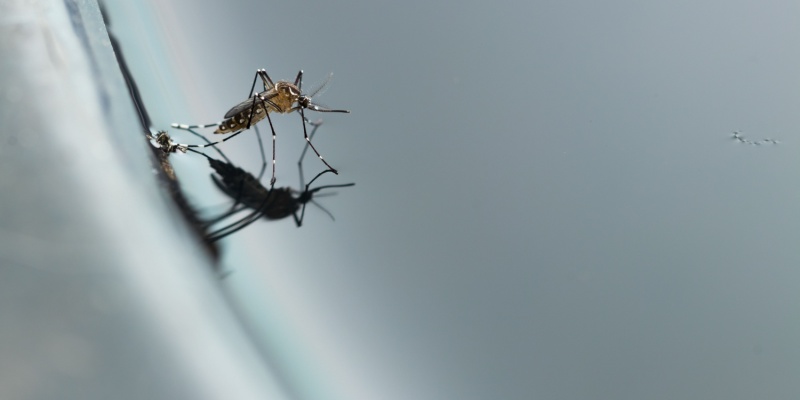
Nashville's spring brings beautiful weather, blooming landscapes, and unfortunately, perfect conditions for explosive mosquito population growth. Understanding how spring rains create mosquito breeding opportunities is essential for protecting your family and property from these disease-carrying pests.
The Water-Mosquito Connection
Every mosquito begins its life in water. Female mosquitoes lay eggs in or near standing water, and the larvae and pupae require aquatic environments to develop. No standing water means no mosquitoes can complete their life cycle. However, Nashville's spring weather creates abundant standing water in countless locations around residential properties.
Why Spring Rains Are Particularly Problematic
Nashville typically receives the highest rainfall totals from March through May. These frequent spring storms create multiple problems:
- Rapid water accumulation: Heavy spring rains quickly fill any container or depression that can hold water, from buckets to tree holes to clogged gutters.
- Prolonged saturation: Spring rains often come in waves with cloudy, cool conditions between storms. This means standing water doesn't evaporate quickly, giving mosquito larvae time to develop.
- Temperature timing: Spring temperatures in Nashville are warm enough for mosquito reproduction but not hot enough to quickly evaporate standing water. This creates ideal conditions for larvae to mature.
- Multiple generations: Depending on temperature, mosquitoes can complete their lifecycle in as little as one week. Multiple spring rainstorms mean multiple opportunities for new mosquito generations to emerge.
Common Standing Water Sites After Rain
Nashville homeowners need to understand where mosquitoes breed after spring rains:
Around the house:
- Clogged gutters and downspouts
- Wheelbarrows, buckets, and trash cans
- Children's toys left in the yard
- Flower pot saucers and plant containers
- Birdbaths and pet water dishes
- Pool covers and outdoor furniture cushions
- Tarps covering equipment or firewood
In the landscape:
- Low spots and depressions in the lawn
- Tree holes and stumps
- Dense ground cover holding water
- Leaf piles and yard waste
- Unused tires or tire swings
- Drainage ditches with standing water
- Ornamental ponds without circulation
Often overlooked:
- Rain gutters on sheds and outbuildings
- The bottom of recycling bins
- Watering cans and garden tools
- Hollow fence posts
- Abandoned equipment
- Children's sandbox covers
How Quickly Mosquitoes Develop
In Nashville's spring temperatures (typically 60-75 degrees), mosquitoes can develop from egg to adult in 7-14 days. This means that a puddle created by Monday's rainstorm can be producing biting adult mosquitoes by the following weekend.
The lifecycle speed means you can't wait days or weeks to address standing water. Immediate action after every significant rain event is essential for preventing mosquito explosions.
The Multiplication Problem
One female mosquito can lay 100-300 eggs at a time. If conditions are favorable, she'll lay multiple batches throughout her lifetime. A single small container of standing water can produce hundreds of mosquitoes over the course of spring.
When you consider how many potential breeding sites exist on a typical residential property and multiply that by the number of properties in a neighborhood, it becomes clear why Nashville has such significant mosquito problems after spring rains.
Urban vs. Natural Areas
Both urban and suburban Nashville properties face mosquito breeding challenges after spring rains. Urban areas have countless artificial containers that hold water. Suburban properties closer to natural areas have both artificial containers and natural breeding sites like drainage areas and wooded sections.
Properties near creeks, greenways, or undeveloped land face additional pressure because these natural areas provide extensive mosquito habitat that residents can't control.
What Homeowners Should Do
After every significant rain, inspect your property within 24-48 hours:
- Empty all containers that have collected water
- Turn over items that can hold water in the future
- Refresh water in birdbaths and pet dishes
- Check gutters for standing water
- Look for new puddles or drainage problems
- Treat unavoidable standing water with mosquito dunks
This post-rain routine prevents mosquitoes from establishing breeding populations on your property.
Professional Control After Heavy Rains
Heavy spring rains can wash away or dilute previous mosquito treatments. Professional pest control companies adjust treatment schedules based on rainfall to maintain consistent protection. After significant rain events, additional treatments or earlier scheduled visits may be necessary.
At All Pest Solutions, we monitor Nashville weather patterns and adjust treatment schedules accordingly. We understand how local rainfall affects mosquito populations and time our treatments for maximum effectiveness.
Long-Term Solutions
Beyond addressing immediate standing water, consider permanent changes that reduce mosquito breeding:
- Improve property drainage to eliminate persistent puddles
- Install proper guttering and downspout systems
- Grade your property to direct water away from structures
- Remove unused containers and equipment
- Maintain water features with circulation pumps
- Create mosquito-free zones with professional landscaping
Don't Let Spring Rains Ruin Your Summer
The standing water created by Nashville's spring rains sets the stage for the entire mosquito season. Properties with abundant spring breeding produce mosquitoes all summer long, while properties that eliminate spring breeding sites stay relatively mosquito-free even during peak season.
Professional mosquito control provides the comprehensive protection that most homeowners can't achieve on their own. We treat breeding sites, eliminate larvae, and create protective barriers that keep your property mosquito-free regardless of how much rain falls.
At All Pest Solutions, we've been protecting Nashville families from mosquitoes for over 50 years. We know how spring rains affect local mosquito populations, and we have proven strategies for preventing the mosquito explosions that follow major rain events. Don't let standing water from spring rains create a summer full of mosquito problems. Contact us today to schedule comprehensive mosquito control that protects your family from spring through fall, rain or shine.