
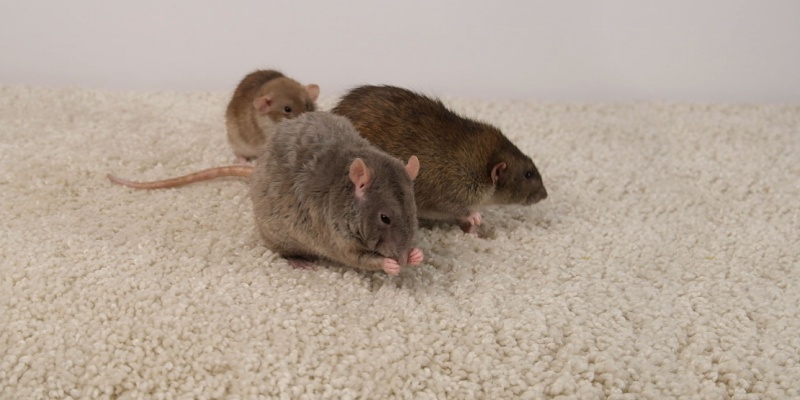
Nashville’s climate may be beautiful, vibrant, and full of variety, but it also sets the stage for rodent activity throughout the year. At All Pest Solutions, we see firsthand how shifting seasons, precipitation, temperature extremes, and humidity all play into when—and where—mice, rats, and other rodents become more of a concern. Knowing how the weather affects rodents helps homeowners stay a step ahead of potential infestations.
The Nashville Climate at a Glance
Nashville is classified as having a humid subtropical climate. Summers are hot and humid, winters are generally cool (though not often extremely cold), and spring and autumn bring fluctuating conditions. Rainfall tends to be higher in spring and early summer, with some severe thunderstorms possible.
Humidity tends to be high in the mornings, moderating in the afternoon. Snowfall is rare and light—Nashville averages under 5 inches per year.
Winter: A Time for Shelter
When cold settles in, rodents seek warmth and shelter. Even though Nashville winters are relatively mild compared to northern climates, rodents still feel the pressure of colder nights, scarcity of outdoor food, and frozen ground.
Because weather affects rodents by making outdoor survival tougher, rodents often venture indoors to find heat, water, and a stable food supply. Homes with attics, basements, crawl spaces, and utility gaps are especially at risk. Insufficient insulation or unsealed entry points—gaps around vents, doors, windows—serve as gateways.
Spring: Rain, Flooding, and Population Growth
Spring in Nashville brings rain, rising ground moisture, and more abundant food sources. As temperatures warm, rodents’ breeding cycles pick up. Moist soil and frequent storms can flood their outdoor nests or burrows, forcing rodents to relocate—sometimes closer to or into homes.
Here, weather affects rodents by both increasing reproduction rates and driving them into new areas in search of safer shelter and dry nesting spots. Vegetation growth also offers more cover. Yard debris, overgrown shrubs, piles of leaf litter all become attractive hiding places.
Summer: Heat, Humidity, and Foraging
Hot and humid summer weather in Nashville does a few things:
- Increases rodent activity, especially at night, as daytime temperatures become too harsh.
- Drives rodents to seek out water sources—leaky pipes, condensate from air conditioning, pet bowls, and standing water all become attractants.
- Extends the breeding season; with abundant food and water, populations can swell.
Again, weather affects rodents because the combination of heat and moisture makes for fast growth. If landscaping or drainage systems are poor, or if homes aren’t well sealed, rodents are more likely to exploit the weak points.
Fall: Food Stockpiling and Staying Ahead
Fall brings a slight drop in temperatures but still plenty of moisture from occasional rains. As outdoor food (nuts, seeds, fruits) becomes available, rodents forage heavily and begin preparing for less hospitable months. They often seek out safe storage areas—inside walls, in attics, in woodpiles.
Because weather affects rodents behaviorally in fall, home preventive work is especially important now: sealing gaps, trimming vegetation near the home, cleaning up fallen fruit, and reducing attractants.
How Weather Extremes Trigger Surges
Certain weather events—heavy rainfall, flooding, sudden temperature dips, or very humid periods—can trigger immediate surges in rodent activity. For example, after heavy rains, rodents may be displaced and seek refuge in homes. Periods of drought may also push rodents to search for food and water indoors. Extreme cold may accelerate the rush indoors.
Each event underscores how weather affects rodents, compelling them to adapt quickly or risk exposure.
Proactive Measures You Can Take
Because All Pest Solutions understands how weather cycles in Nashville influence rodent behavior, we recommend the following prevention tips:
- Seal all potential entry points: foundation cracks, vents, doors, windows. Even small gaps count.
- Fix leaks and manage moisture: ensure gutters are clear; direct water away from your foundation.
- Maintain landscaping: trim back bushes and trees, remove yard debris, store firewood away from the house.
- Control outdoor food sources: pet food, bird feeders, fallen fruit.
- Monitor periodically, especially during transitional seasons (fall → winter, spring → summer).
When to Call in the Pros
Sometimes the weather-driven rodent pressure gets too much to handle with DIY methods alone. That’s when bringing in experts makes sense. Professionals know how weather affects rodents across all seasons and can provide inspections, exclusion work, and tailored rodent control plans.
At All Pest Solutions, we offer comprehensive rodent control services. Whether it’s sealing entry points, installing traps in key areas, or setting up long-term monitoring, we help homes stay protected year-round. For more information about our approach and options, check out our rodent control page.
Conclusion
Nashville’s changing weather—through heat, storms, humidity, cold, and rainfall—plays a major role in rodent behavior. By understanding how weather affects rodents in each season, homeowners can better prepare and reduce the risk of infestations. With proactive prevention, timely action, and help from trusted local professionals like All Pest Solutions, you can keep your home rodent-free no matter what the forecast holds.