
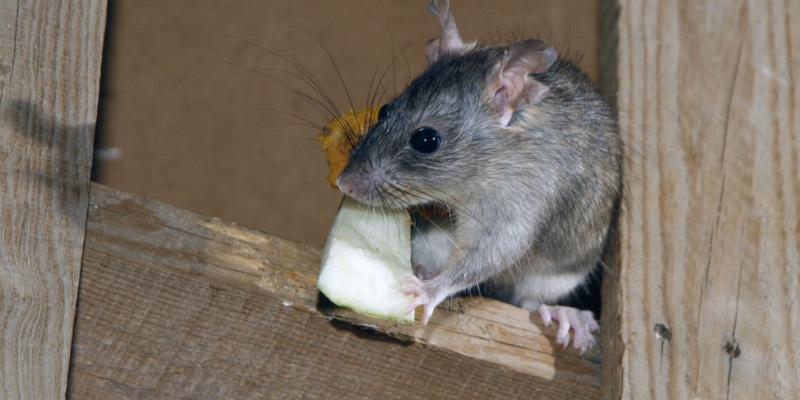
As the seasons shift across Middle Tennessee, homeowners often notice subtle changes in their surroundings—cooler nights, damp basements, or even unusual noises in the attic. These aren’t just seasonal quirks; they’re often signs of seasonal rodent migration in Middle Tennessee, a recurring challenge that can catch families off guard. Rodents are highly adaptive, and when outdoor conditions become less favorable, they instinctively seek shelter in places that offer warmth, food, and safety.
Understanding this migration is more than just curiosity—it’s a crucial step in protecting your home. Each season brings unique pressures that influence rodent behavior, from food scarcity in winter to nesting opportunities in spring.
Understanding Tennessee Rodent Movement Patterns
Rodents are opportunistic creatures, and their migration patterns are closely tied to climate shifts. In Middle Tennessee, seasonal pest activity peaks during colder months as mice and rats search for warmth, food, and safety. Conversely, warmer seasons can drive them outdoors, where they nest in sheds, garages, or beneath decks.
Key factors influencing Tennessee rodent movement patterns include:
- Temperature drops: As winter sets in, rodents instinctively move indoors to escape the cold. Attics, basements, and wall voids become prime shelter spots, making homes especially vulnerable during freezing nights.
- Rainfall and humidity: Heavy rains can flood burrows and nesting sites, forcing rodents to relocate. Damp conditions also attract them to crawl spaces and basements where moisture levels are higher.
- Food scarcity: Seasonal changes reduce access to seeds, plants, and insects outdoors. When natural food sources dwindle, rodents turn to kitchens, pantries, and pet food storage for survival.
- Breeding cycles: Rodent populations surge during certain seasons, particularly spring and fall. These spikes increase the likelihood of infestations as larger colonies spread into residential areas.
- Urban expansion: Construction projects and new developments disrupt natural habitats. Displaced rodents often migrate into nearby neighborhoods, seeking shelter in homes and businesses.
- Seasonal landscaping: Leaf piles, stacked firewood, and mulch beds provide temporary nesting sites. These outdoor shelters can serve as stepping stones that eventually lead rodents indoors.
- Predator activity: Seasonal shifts in hawk, owl, and snake populations influence rodent behavior. When predators are more active outdoors, rodents retreat into homes for safety.
Rodent Behavior During Tennessee Seasons
Homeowners often notice different signs of rodent activity depending on the time of year. In winter, scratching sounds in attics or walls are common indicators of mice seeking warmth. Spring and summer may bring sightings of rats near outdoor trash bins or gardens. Fall is a transitional period, when rodents begin preparing for colder months by stockpiling food and scouting indoor shelter.
This cycle explains why rodents migrate in Middle Tennessee—their survival depends on adapting to seasonal shifts in climate and resources. Some of the most common seasonal behaviors include:
- Winter nesting indoors: Mice and rats move into attics, basements, and wall voids to escape freezing temperatures.
- Spring breeding activity: Warmer weather sparks reproduction, leading to sudden population growth and increased sightings.
- Summer foraging outdoors: Rodents are often spotted near gardens, trash bins, or compost piles as they search for food.
- Fall preparation for cold: Rodents begin stockpiling food and scouting indoor shelter before winter sets in.
- Seasonal shifts in movement: Rainy periods or sudden temperature drops can trigger rodents to relocate quickly, often into homes.
How Seasonal Mice and Rats Affect Tennessee Homes
Rodent invasions aren’t just inconvenient; they can cause structural damage and health risks. Chewed wires, contaminated food, and droppings are all signs of an infestation. Left unchecked, these issues can escalate quickly, especially during peak migration periods.
Common signs of seasonal mice and rats in Tennessee homes include:
- Droppings near food storage areas
- Gnawed furniture, wires, or insulation
- Nesting materials like shredded paper or fabric
- Unusual pet behavior around walls or floors
- Musty odors in hidden spaces
Practical Steps to Stop Rodent Migration into Middle Tennessee Homes
The best defense against rodent invasion during weather changes is proactive prevention. Sealing entry points, maintaining clean storage areas, and scheduling seasonal inspections can significantly reduce risks. Professional pest control services provide tailored strategies that adapt to Middle TN seasonal pest activity, ensuring your home remains secure year‑round.
Beyond structural protection, homeowners should also consider how daily habits influence rodent activity. Leaving pet food out overnight, storing birdseed in garages, or neglecting yard maintenance can unintentionally create food sources and nesting opportunities. Small adjustments—like airtight storage containers and routine yard clean‑ups—can make a big difference in discouraging rodents from settling in.
Another critical step is monitoring areas that often go overlooked. Crawl spaces, attics, and utility rooms are common entry points that provide warmth and shelter. Regular inspections of these hidden zones, combined with professional guidance, help ensure that rodents don’t establish long‑term colonies inside your home. By staying vigilant and addressing vulnerabilities before each season shifts, homeowners can stay ahead of the migration cycle.
Preparing Your Home for Seasonal Rodent Challenges in Middle Tennessee
Rodents don’t migrate on a fixed schedule—they respond to unpredictable weather shifts, sudden drops in temperature, and changes in food availability. As discussed throughout this blog, their movement patterns are closely tied to Middle Tennessee’s climate, which means infestations can occur when homeowners least expect them. That’s why proactive, seasonal pest control is not just helpful—it’s essential for keeping your home safe and secure.
By anticipating rodent behavior before it becomes a problem, homeowners can safeguard their property, avoid costly repairs, and reduce health risks linked to infestations. Seasonal inspections and preventative treatments ensure that the same migration cycles highlighted earlier don’t turn into recurring household issues.
At All Pest Solutions, we understand these seasonal challenges better than anyone. Our team specializes in customized strategies designed around Middle Tennessee’s unique climate and rodent activity patterns. With modern equipment, local expertise, and a commitment to personal service, we provide protection that adapts as the seasons change. If you’re ready to take the next step in Tennessee home protection from rodents, contact us today to schedule an inspection.