
Rodents are among the most persistent household invaders in Middle Tennessee, and Franklin homeowners often struggle to distinguish between mice and rats. Spotting the difference early matters—because the sooner you recognize the signs, the faster you can protect your home from damage and health risks
Why Identification Matters in Franklin, TN
Franklin’s mix of historic homes, suburban neighborhoods, and wooded surroundings creates the perfect environment for rodent species to thrive. Mice and rats may look similar at first glance, but their habits, behaviors, and impact on your home differ significantly. Knowing how to tell them apart helps you take action before a small issue becomes a full infestation.
Mice vs. Rats: Key Physical Differences
Mice
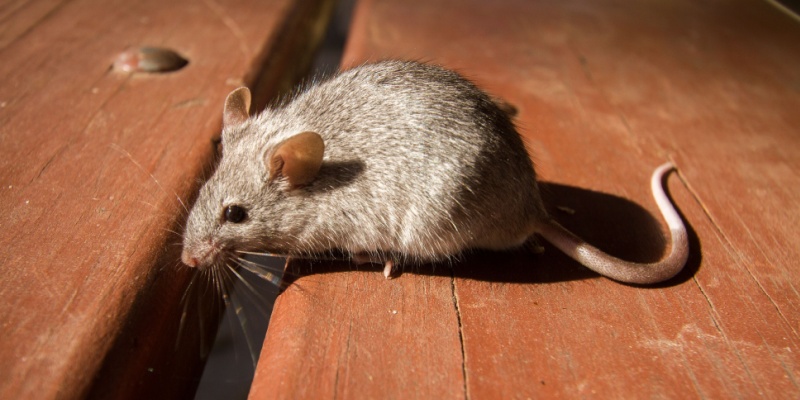
Mice are the smaller of the two species and often the first to infiltrate Franklin homes. Their physical characteristics and behavioral patterns are typically observed as:
- Size: Generally 2–4 inches long, with a slender frame.
- Tail: Thin, lightly furred, and proportionate to body length.
- Ears and eyes: Prominent ears relative to head size, paired with small, beady eyes.
- Snout: Narrow and pointed, giving a delicate profile.
- Droppings: Small, rice‑sized pellets scattered irregularly.
- Behavior: Quick, inquisitive movements, often crossing open areas.
- Gnawing: Prefers softer materials such as cardboard, paper, and food packaging.
Mice infestations can escalate rapidly due to their high reproductive rate. Their ability to squeeze through openings as small as a dime makes them particularly adept at exploiting structural vulnerabilities in older Franklin homes. Despite their size, mice pose significant risks by contaminating food supplies, spreading bacteria, and damaging insulation or wiring.
Rats
Rats are larger, more destructive rodents that present serious challenges for homeowners. Their defining physical and behavioral features are:
- Size: Typically 9–11 inches long, with a heavier, more robust build.
- Tail: Thick, scaly, and longer than the body, often leaving visible drag marks.
- Ears and eyes: Smaller ears relative to head size, with larger, more noticeable eyes.
- Snout: Broad and blunt, distinguishing them from mice.
- Droppings: Larger, capsule‑shaped, often deposited in clusters.
- Behavior: Cautious and deliberate, moving close to walls with heavier steps.
- Gnawing: Capable of leaving deep, rough marks on wood, wires, and even pipes.
Rats pose greater structural and health hazards than mice. Their powerful jaws enable them to chew through wood, drywall, and even metal, leading to costly damage. They are also known carriers of serious diseases, and their waste can contaminate wide areas of a home. Because rats are cautious and highly intelligent, they are more difficult to trap and often require professional intervention for complete elimination.
Early Signs of Rodent Activity in Franklin Homes
Beyond appearance, behavior is a strong indicator of whether you’re dealing with mice or rats. Homeowners should watch for:
- Nocturnal noises: Scratching or scurrying in walls or ceilings.
- Gnaw marks: Rats leave larger, rougher chew marks on wood and wires.
- Nest materials: Mice often shred paper or fabric to build nests in hidden corners.
- Grease trails: Rats leave dark smudges along walls and baseboards from their oily fur.
- Food tampering: Mice nibble small amounts, while rats drag or hoard larger food items.
- Pet behavior changes: Dogs or cats may become unusually alert, pawing at walls or sniffing around baseboards where rodents are active.
- Unpleasant odors: A musty or ammonia‑like smell can signal hidden nests or accumulated droppings.
Why Franklin Homes Are Vulnerable
Seasonal changes in Tennessee drive rodents indoors, especially during cooler months. Franklin’s older properties with crawl spaces, basements, and attics provide easy entry points. Once inside, rodents reproduce quickly, making early detection critical.
In addition, the city’s blend of wooded areas and suburban growth creates overlapping habitats where rodents thrive. Construction projects, shifting weather patterns, and nearby food sources like gardens or pet food can all push mice and rats toward residential spaces. This combination of environmental and structural factors makes Franklin homes particularly susceptible to recurring rodent activity.
Protecting Your Home from Rodent Issues
Identifying whether you have mice or rats is only the first step. Effective control requires a tailored approach—what works for mice may not eliminate rats, and vice versa. Professional inspection ensures that droppings, nesting sites, and entry points are correctly identified and treated.
Beyond treatment, prevention is equally important. Sealing cracks in foundations, storing food securely, and maintaining clean outdoor spaces can reduce the chances of rodents returning. Partnering with a local pest control team ensures these measures are reinforced with expert strategies designed for Franklin’s unique environment.
Effective Solutions for Franklin Rodent Control
Rodent problems in Franklin, TN, pose serious risks to both your home’s safety and your family’s health. By learning how to distinguish between mice and rats and spotting early signs of activity, you can reduce the risk of costly damage and protect your household from potential health concerns. Professional inspection and prevention strategies are especially important in Franklin, where older homes and wooded surroundings create ideal conditions for rodents to thrive.
Early detection is critical in Franklin homes, and protecting your household starts with recognizing the signs—reach out to All Pest Solutions today to secure a thorough rodent inspection and reliable prevention against future infestations.