
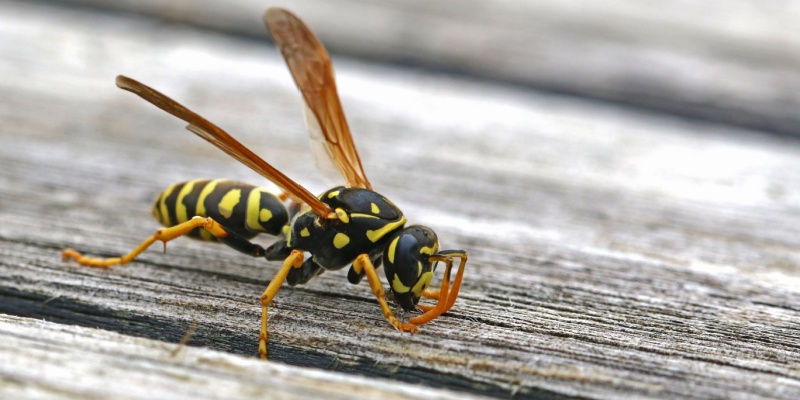
You step outside to enjoy the cooler breeze, maybe sip your morning coffee on the porch — and there it is again. That unmistakable buzz. A wasp zips past your ear and circles the patio furniture like it owns the place. It’s September in Nashville, and while the calendar says fall is near, the pests haven’t gotten the memo.
Many homeowners assume that stinging insects fade away with the summer heat, but in Middle Tennessee, the shift in seasons often brings a surge in unexpected pest behavior, especially from wasps. These late bloomers don’t just linger — they thrive.
Why Are Wasps Still Active in Fall?
Wasps don’t follow the same seasonal patterns as other pests. While mosquitoes and ants may taper off, wasps ramp up their activity in early fall. Here’s why:
- Colony size peaks: By September, wasp colonies are at full strength, often numbering in the thousands.
- Food becomes scarce: Natural sources like nectar and insects decline, pushing wasps to scavenge near homes.
- Queen production begins: Colonies shift focus to raising new queens for overwintering, making workers more protective.
- Nest expansion continues: Wasps may still be building or reinforcing nests in sheltered areas.
This combination of factors makes September one of the most dangerous months for accidental stings — especially for children, pets, and anyone spending time outdoors.
Where Wasps Nest in September
Unlike early summer nests that are often visible in trees or shrubs, fall nests tend to be more hidden and harder to detect. Common nesting spots include:
- Under eaves and rooflines
- Inside attics or crawl spaces
- Beneath deck railings or patio furniture
- Behind shutters or siding
- Inside outdoor light fixtures
- Garage rafters and storage corners
- Wall voids near windows or vents
If you suspect a nest nearby, avoid disturbing it. Wasps in autumn are more likely to defend their territory aggressively, and DIY removal can quickly escalate into a painful situation.
How to Get Rid of Wasps in September
Late-season wasp control requires more than a can of spray. By this point in the season, nests are well-established and workers are on high alert. Effective removal involves:
- Careful inspection to locate hidden nests — especially in attics, wall voids, and under roof eaves.
- Targeted treatment using professional-grade products that neutralize the colony without scattering aggressive workers.
- Safe nest removal to prevent re-infestation, done with protective gear and proper disposal methods.
- Sealing entry points like cracks, vents, and gaps around windows to discourage future nesting.
- Using insect growth regulators (IGRs) to disrupt the colony’s reproductive cycle.
- Installing decoy nests to deter new colonies from settling nearby.
- Scheduling preventive treatments for high-risk areas before next season begins.
If you’re wondering how to get rid of wasps in September without risking a sting, professional help is the safest and most effective option.
The Hidden Risks of Ignoring September Wasps
It’s easy to dismiss a few buzzing wasps as a minor nuisance, especially when cooler weather seems just around the corner. But ignoring late-season activity can lead to bigger problems — and not just painful stings. Wasps nesting inside walls or attics can cause structural damage over time, chewing through insulation and wiring. Their presence also increases the risk of allergic reactions, which can be severe or even life-threatening for some individuals.
And if a nest goes unnoticed until winter, it may become a hidden hazard that re-emerges in spring when new queens awaken and begin building fresh colonies. What starts as a seasonal inconvenience can quickly evolve into a recurring infestation. That’s why September isn’t the time to wait and see — it’s the time to act.
Why Nashville Homeowners Should Act Now
In Tennessee, wasps don’t simply vanish when the calendar flips to fall. They can remain active well into October — and in some years, even November. That extended activity window means waiting too long to address a nest can lead to serious consequences. The longer a colony is allowed to grow, the more aggressive and territorial the wasps become, increasing the risk of painful stings for anyone spending time outdoors.
Hidden nests can also cause structural damage, especially when they’re tucked inside walls, attics, or crawl spaces. And the cost of extermination tends to rise as colonies expand and become more difficult to access. That’s why early intervention is key. At All Pest Solutions, we understand the unique challenges of wasp control in Nashville and surrounding areas. Our team uses advanced techniques to eliminate nests and prevent future infestations — all backed by the friendly, local service our customers trust.
If you’ve been spotting more wasps than usual or suspect a nest is hiding nearby, don’t wait for the problem to escalate. Fall pests can be persistent, but they don’t have to take over your space. Reach out to All Pest Solutions today and let our expert team restore comfort and safety to your home before the season shifts any further.