
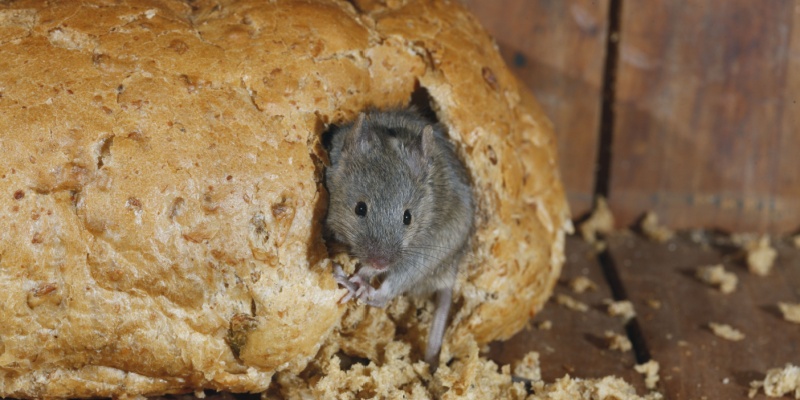
As the crisp air of September rolls into Nashville, so do the quiet stirrings of unwanted houseguests—rodents. With cooler temperatures on the horizon, mice and rats begin their annual migration indoors, seeking warmth, shelter, and food. If you’ve noticed subtle signs like gnawed wires, droppings in the pantry, or scratching noises in the walls, it’s time to take action. Early signs of infestation can be easy to miss, but they’re often a signal that your home is already on a rodent’s radar.
Rodent control in Nashville becomes especially critical during the fall months, when homes become prime targets for nesting. Whether you live in Brentwood, Franklin, or right in the heart of Music City, this checklist will help you stay one step ahead of Tennessee rodents in homes.
Step 1: Seal the Entry Points
Rodents don’t need much to get inside—just a gap the size of a dime for mice, or a quarter for rats. That’s why a thorough inspection of your home’s exterior is the first line of defense.
- Check for cracks around windows, doors, and foundation walls.
- Inspect utility lines, vents, and pipes for gaps or loose fittings.
- Install door sweeps and weather stripping on all exterior doors.
- Use steel wool or copper mesh to plug holes—rodents can’t chew through it.
- Repair damaged siding, soffits, and roof shingles.
- Screen attic vents and chimney openings.
- Don’t forget the garage—seal gaps under doors and around corners.
This home sealing checklist for pests is your foundation for long-term protection. Rodents are persistent, but they’re also opportunistic. If you remove the opportunity, they’ll move on.
Step 2: Eliminate Attractants
Rodents aren’t just looking for shelter—they’re hunting for food and nesting materials. Fall rodent prevention means making your home as uninviting as possible.
Start with the kitchen. Store all food in airtight containers, clean up crumbs promptly, and avoid leaving pet food out overnight. Trash bins should be tightly sealed, both inside and outside the home. Compost piles, bird feeders, and even fallen fruit in the yard can draw rodents in from afar.
In storage areas like basements and attics, avoid using cardboard boxes, which make ideal nesting sites. Opt for plastic bins with secure lids. Keep clutter to a minimum—rats love a good hiding spot.
Step 3: Know the Signs Before It’s Too Late
Mouse infestation signs often go unnoticed until the problem is well underway. Stay alert for:
- Droppings in drawers, cabinets, or along baseboards
- Greasy rub marks on walls or corners
- Chewed wires, insulation, or food packaging
- Scratching or scurrying sounds at night
- A musky odor in enclosed spaces
- Nests made of shredded paper or fabric
- Pets acting strangely around certain areas
If you notice any of these, it’s time to act fast. Preventing rats in the attic or crawlspace is far easier than removing them once they’ve settled in.
Step 4: Invest in Pest Exclusion
Rodent-proofing isn’t a one-time fix—it’s a strategy. Pest exclusion for rodents involves ongoing maintenance and professional insight. At All Pest Solutions, we specialize in identifying vulnerabilities and creating customized plans to keep rodents out for good.
Our technicians understand Nashville rodent problems better than anyone. We don’t just treat symptoms—we solve the root cause. Whether you’re dealing with a single mouse or a full-blown infestation, our team is equipped to protect your home year-round.
Step 5: Maintain Yard and Outdoor Spaces
Your yard is the first impression your home makes on a rodent. Overgrown vegetation, woodpiles, and cluttered sheds offer perfect hiding spots and nesting areas.
- Trim shrubs and tree branches away from the house.
- Keep grass short and remove leaf piles regularly.
- Store firewood at least 20 feet from your home and elevate it off the ground.
- Clean out gutters and downspouts to prevent moisture buildup.
- Secure outdoor trash bins with tight-fitting lids.
Rodents often start outside before making their way in. A clean, well-maintained yard can be a powerful deterrent.
Step 6: Consider Preventive Treatments
If your home has a history of rodent issues—or if you simply want peace of mind—preventive treatments can be a smart investment. These may include bait stations, exclusion barriers, or targeted repellents applied in vulnerable areas.
At All Pest Solutions, we offer tailored fall rodent prevention plans that combine inspection, treatment, and follow-up. Our goal isn’t just to stop rodents from entering—it’s to make sure they never even consider it.
Preventive treatments are especially effective when paired with seasonal inspections. As temperatures drop, rodents become more aggressive in their search for shelter. By proactively treating high-risk zones like crawlspaces, attics, and garages, you reduce the chance of infestation before it starts. Our technicians use industry-leading products and techniques that are safe for families and pets, while delivering long-lasting protection against even the most persistent pests.
Step 7: Monitor and Stay Vigilant
Even after sealing and cleaning, rodents can still find a way in. That’s why ongoing monitoring is essential. Set up traps in high-risk areas like attics, basements, and behind appliances—not necessarily to catch rodents, but to detect early activity.
Keep a log of any signs you notice, and inspect your home monthly for new entry points or droppings. If you’ve had rodent issues before, don’t assume they won’t return. Staying vigilant is the final layer of defense in keeping your home rodent-free.
Get Ahead of Rodents This September
Don’t wait until the scratching in your walls becomes a full-blown infestation. September is the perfect time to get ahead of the curve and secure your home before rodents make themselves comfortable.
We’re proud to serve Nashville and surrounding communities with expert care, modern equipment, and a personal touch. From attic to crawlspace, we’ve got your back—because pest control isn’t just about eliminating problems. It’s about protecting what matters most.
Contact All Pest Solutions today to schedule your fall inspection and take the first step toward a rodent-free season.