Proudly Serving Nashville and Surrounding Communities
Call us right now: (615) 794-6535
Text us right now: (615) 235-6476
Categories
Tick, Flea, & Chigger

How to Get Rid of Chiggers in Your Yard: Nashville-Specific Tips That Work

If you’ve ever stepped outside to enjoy a summer afternoon in Nashville only to find yourself covered in itchy red welts hours later, chances are you’ve encountered chiggers. These nearly invisible pests are notorious for turning pleasant outdoor time into an uncomfortable, irritating experience.

At All Pest Solutions, we frequently hear from homeowners dealing with chigger outbreaks in their lawns, gardens, and wooded areas. Thankfully, with the right strategy, you can reduce or eliminate chiggers in your yard and reclaim your outdoor spaces.

This guide covers practical, Nashville-specific tips for getting rid of chiggers and preventing their return.

What Are Chiggers, Exactly?

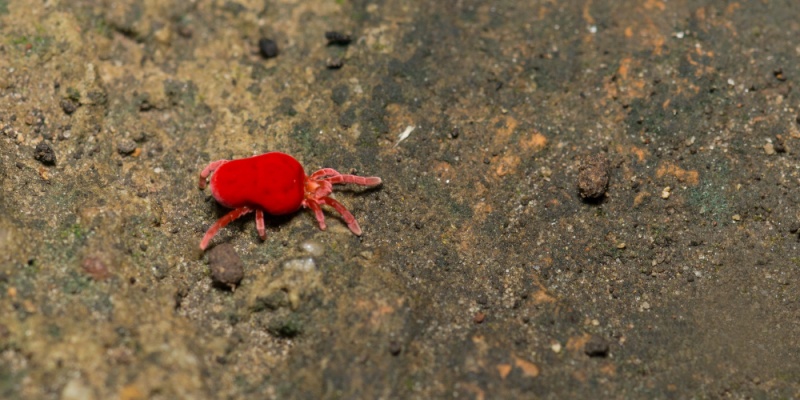
Chiggers are the larval stage of a mite in the Trombiculidae family. Although tiny—less than 1/150th of an inch—they pack a punch. Chiggers attach to the skin of humans and animals, inject digestive enzymes, and feed on liquefied skin cells. Contrary to popular myth, they don’t burrow into your skin.

In Middle Tennessee, chiggers are especially active during warm, humid months—typically late spring through early fall—making summer their prime season.

Why Are Chiggers a Problem in Nashville?

Nashville’s hot, humid climate and mix of wooded areas, tall grasses, and overgrown vegetation provide the perfect environment for chiggers to thrive. Urban and suburban neighborhoods aren’t immune—yards with shaded areas, dense landscaping, or excessive moisture are prime real estate for these pests.

Once chiggers move in, every walk through the backyard can lead to itching, irritation, and frustration.

Signs You Have Chiggers in Your Yard

Since chiggers are nearly invisible, you won’t spot them crawling around. Instead, you’ll notice their presence through:

  • Red, itchy welts in clusters, often on ankles, waistbands, or behind knees
  • Itching that starts several hours after being outdoors
  • Repeated bites after spending time in the same outdoor areas

If these symptoms are familiar, it’s time to take action.

How to Get Rid of Chiggers in Your Nashville Yard

Eliminating chiggers takes a combination of yard maintenance, environmental control, and targeted treatments. Here’s what works best for Nashville-area homes:

1. Mow and Trim Regularly

Chiggers thrive in tall grasses and overgrown areas. Keep your lawn mowed to a height of 3 inches or less, and trim bushes, shrubs, and other dense vegetation where chiggers can hide.

2. Remove Leaf Litter and Yard Debris

Piles of leaves, grass clippings, and mulch beds offer moist, shaded environments where chiggers love to live. Rake and dispose of debris, especially around garden beds, fences, and wooded borders.

3. Create a Dry Zone Around Your Home

Chiggers avoid hot, dry, open areas. By creating a buffer zone of mulch, gravel, or wood chips between your lawn and wooded areas or fences, you reduce the chance of chiggers migrating into your main yard.

4. Water Smart

Overwatering can increase soil moisture and encourage chigger activity. Water early in the morning to allow for drying during the day, and avoid watering shady areas that don’t receive much sunlight.

5. Limit Wildlife Access

Small mammals like rodents, raccoons, and squirrels can carry chiggers into your yard. Use fencing, eliminate bird feeders, and avoid leaving pet food outside to make your yard less attractive to wildlife.

6. Use Natural Repellents

Certain essential oils—like citronella, eucalyptus, and tea tree—may help deter chiggers. While not a long-term solution, using sprays or granules containing these ingredients can help reduce activity in specific areas.

7. Call a Professional

While DIY measures help, they often don’t fully eliminate a chigger infestation. At All Pest Solutions, we offer professional chigger control services that treat the problem at its source.

Our targeted, eco-friendly treatments focus on:

  • Identifying high-risk areas in your yard
  • Reducing populations through proven control methods
  • Creating a treatment plan that fits your specific property and usage
  • Offering seasonal protection during peak chigger activity

How to Prevent Future Infestations

Once chiggers are gone, consistent maintenance can keep them from coming back. We recommend:

  • Scheduling seasonal yard inspections
  • Continuing to mow, trim, and manage debris
  • Applying follow-up treatments during the summer
  • Monitoring known hot spots like shaded garden beds or wood piles

And if you’re unsure where to start, All Pest Solutions is here to help guide you through every step of the process.

Enjoy a Chigger-Free Summer in Nashville

There’s no reason your backyard should be off-limits during the summer. While chiggers are a common problem in Middle Tennessee, they don’t have to be a permanent one.

Whether you’re already facing an outbreak or want to take proactive steps before one starts, All Pest Solutions has the experience, tools, and local knowledge to protect your yard from chiggers and other biting pests.

Contact us today to schedule a chigger inspection or learn more about our seasonal pest control services—and take back your outdoor space, once and for all.
Categories
Tick, Flea, & Chigger

What Are Chiggers? A Nashville Homeowner’s Guide to These Tiny Biters

If you’ve ever returned from a walk through tall grass or a day in the yard only to find yourself scratching at red, itchy welts, you may have had an encounter with chiggers. These tiny, almost invisible pests are notorious across the South, including right here in Nashville, and they can turn outdoor fun into an itchy nightmare.

At All Pest Solutions, we often get calls from homeowners confused about what bit them and how to stop it from happening again. In this guide, we’ll explain what chiggers are, how to identify their bites, where they live, and—most importantly—how to protect your family and yard.

What Are Chiggers?

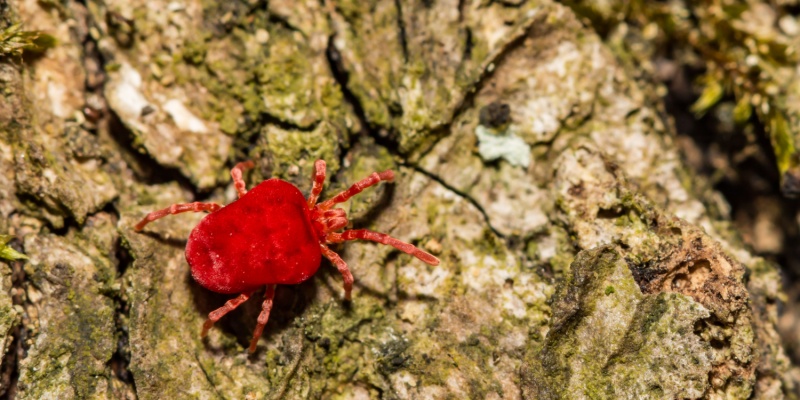
Chiggers are the larval form of a type of mite called Trombiculidae. Unlike adult mites, which are harmless, chiggers in their larval stage are parasitic and feed on the skin of humans and animals. Though they’re technically arachnids—like spiders and ticks—chiggers are incredibly small (less than 1/150th of an inch), making them nearly impossible to see without magnification.

They don’t burrow into the skin, as commonly believed. Instead, chiggers attach themselves to your skin, inject enzymes that break down skin cells, and feed on the resulting liquid. The body reacts to this by forming an itchy, inflamed bump.

How to Identify Chigger Bites

Chigger bites are easy to confuse with other insect bites, but there are a few telltale signs:

  • Clusters of red, itchy welts Often found in areas where clothing is tight, like waistbands, sock lines, underarms, and behind knees.
  • Delayed itchiness It usually takes a few hours after exposure for the itching to begin, which can make it hard to pinpoint where you were bitten.
  • Persistent irritation The itch can last for several days, and scratching often makes it worse, potentially leading to infection.

While chiggers don’t transmit diseases in the U.S., the intense itch and potential for secondary infection make them more than just a minor annoyance.

Where Do Chiggers Live in Nashville?

Chiggers thrive in warm, humid environments with dense vegetation, making Nashville summers the perfect time for an outbreak. Common habitats include:

  • Overgrown grass and brush
  • Weedy gardens and flower beds
  • Forest edges and trails
  • Piles of leaves or mulch
  • Shady, moist areas of the lawn

Chiggers tend to climb onto humans and pets when brushing against vegetation. They are most active during spring and summer and are particularly concentrated in undisturbed areas of your yard or local parks.

How to Prevent Chigger Bites

Avoiding chigger bites is all about reducing exposure and taking preventive measures:

1. Dress Smart

  • Wear long pants and long sleeves when walking through tall grass or wooded areas.
  • Tuck your pants into your socks or boots to create a barrier.
  • Choose light-colored clothing to more easily spot tiny pests.

2. Use Insect Repellent

  • Apply a repellent containing DEET or permethrin to your clothing and exposed skin.
  • Reapply as needed, especially after sweating or swimming.

3. Shower Promptly

  • After spending time outdoors, shower as soon as possible and scrub your skin with soap to remove any lingering chiggers.
  • Wash your clothes in hot water to kill any hitchhiking mites.

4. Maintain Your Yard

  • Mow the lawn regularly and trim back overgrown vegetation.
  • Remove leaf litter, woodpiles, and weeds.
  • Keep gardens and flower beds tidy and free of excess mulch.

What to Do If You Have Chiggers in Your Yard

If you or your family members are repeatedly getting bitten while on your property, you may have a chigger infestation. DIY methods may not be enough, especially if your yard has areas that are difficult to manage on your own.

This is where All Pest Solutions can help. Our professional chigger control services are designed to:

  • Identify high-risk areas of your yard
  • Apply targeted, eco-friendly treatments
  • Reduce populations of chiggers and other biting pests
  • Offer advice to keep your outdoor spaces safe and enjoyable

We take the time to assess each property individually and create a plan that works for your specific environment and lifestyle.

Don’t Let Chiggers Take Over Your Summer

The last thing you want during a Nashville summer is to spend your time scratching and swatting. Chiggers may be tiny, but the discomfort they cause can be immense—and if left unchecked, they can make your yard feel more like a hazard than a haven.

If you suspect chiggers have taken hold in your yard, don’t wait. Contact All Pest Solutions today for expert advice, proven treatment options, and peace of mind. We’re here to help you enjoy your outdoor space—itch-free.

Categories
Bees, Wasps, & Hornets

Why Stinging Insects Love Nashville in the Summer—and How to Keep Them Away

Summers in Nashville are nothing short of vibrant. From weekend barbecues and music festivals to hiking trails and backyard relaxation, it’s the season to enjoy the outdoors. But there’s one group of unwanted guests that loves Tennessee summers just as much as we do—stinging insects.

Wasps, hornets, yellow jackets, and other stingers become increasingly active as temperatures rise, posing a threat to outdoor enjoyment and, more importantly, to your family’s safety. If you’ve noticed an uptick in buzzing around your home, you’re not alone. At All Pest Solutions, we’ve seen how quickly these pests can take over if not properly controlled.

Let’s explore why stinging insects thrive in Nashville’s summer climate and how you can prevent them from ruining your warm-weather plans.

Why Stinging Insects Love Nashville Summers

1. Warm, Humid Weather

Nashville’s humid subtropical climate offers ideal breeding conditions for stinging insects. They become most active during the late spring and peak in the heat of summer when their colonies are at their largest. Warm temperatures speed up their reproductive cycles, meaning more nests and more aggressive behavior.

2. Abundant Food Sources

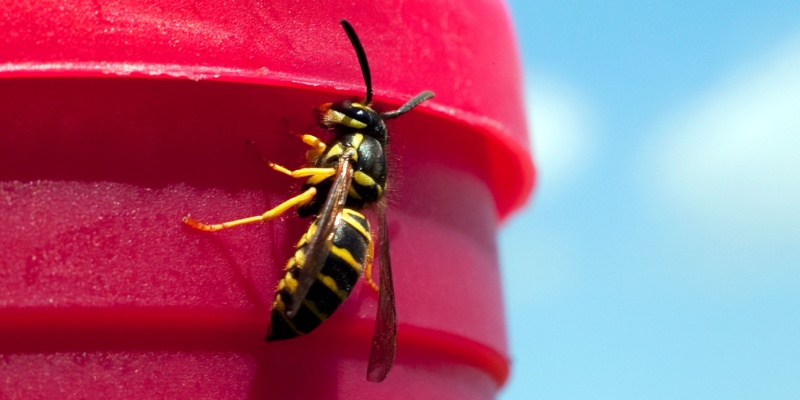
Summer cookouts, sugary drinks, exposed trash, and blooming gardens all act as magnets for wasps and hornets. Yellow jackets, in particular, are scavengers that will raid anything from your picnic table to your pet’s food dish.

3. Sheltered Nesting Areas

Stinging insects are opportunistic nest builders. Your home’s eaves, attic, decking, sheds, and trees provide the perfect shelter for building nests. Paper wasps often choose overhangs, while hornets and yellow jackets may opt for trees, shrubs, or even underground spaces.

Common Stinging Insects in Middle Tennessee

Nashville is home to several species of stinging insects, including:

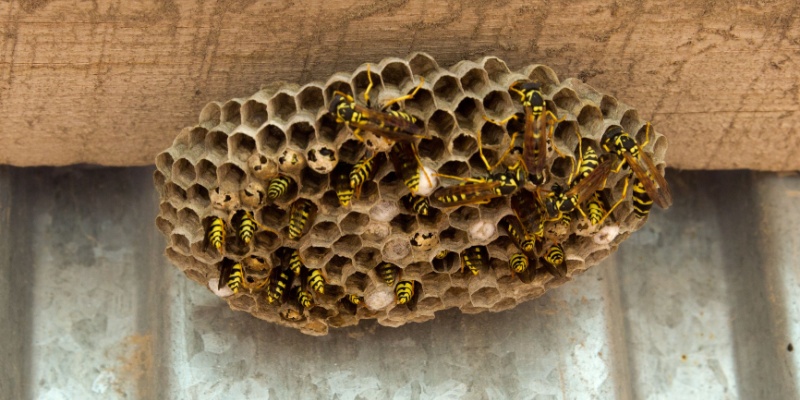
  • Paper Wasps Recognizable by their open, umbrella-shaped nests under eaves or railings.
  • Yellow Jackets Aggressive ground nesters that are drawn to human food and garbage.
  • Hornets Larger and more aggressive, they often build enclosed, football-sized nests in trees or attics.
  • Mud Daubers Solitary wasps that build tube-like nests out of mud, usually in quiet, undisturbed corners.

Some of these species can sting multiple times and will aggressively defend their nests—especially in late summer when their colonies are at full strength.

The Risks of Stinging Insects

While a single sting might just cause discomfort or swelling, multiple stings—or a sting to someone with a bee or wasp allergy—can lead to serious medical emergencies, including anaphylaxis.

Children, pets, and individuals with known sensitivities are at higher risk. Additionally, swarming behavior from disturbed nests can escalate the danger dramatically.

How to Keep Stinging Insects Away This Summer

Preventing stinging insects from settling on your property starts with making your space less appealing. Here’s how to do it:

1. Eliminate Food Sources

    • Keep food covered during outdoor meals.
    • Seal trash bins tightly.
    • Clean up food and drink spills immediately.
    • Avoid leaving pet food outside for extended periods.

    2. Seal Entry Points

    Inspect your home for cracks and crevices where insects might enter or build nests. Pay close attention to:

    • Eaves and soffits
    • Attic vents
    • Window and door frames
    • Gaps around pipes or cables

    3. Limit Nesting Areas

    Trim trees and shrubs regularly and remove debris piles where insects might nest. Store firewood away from your home, and avoid leaving yard clutter, like overturned buckets or toys, where wasps could start a nest.

    4. Use Natural Deterrents

    Certain plants like mint, eucalyptus, and citronella can help deter stinging insects naturally. You can also hang decoy wasp nests, as some wasp species avoid nesting near others.

    5. Don’t Go It Alone

    If you notice a nest forming—or if you’re repeatedly seeing wasps, hornets, or yellow jackets—it’s best to contact the professionals at All Pest Solutions. We offer expert inspections and safe, effective stinging insect control using proven, eco-friendly methods that keep your home and family safe.

    Why Choose All Pest Solutions?

    At All Pest Solutions, we’ve been protecting Middle Tennessee homes from pests for over 20 years. Our experienced technicians understand the habits and nesting patterns of local stinging insects, allowing us to deliver precise, targeted treatments.

    We don’t just eliminate existing nests—we help you take proactive steps to prevent future infestations. Our comprehensive approach includes:

    • Nest location and safe removal
    • Barrier treatments to deter new colonies
    • Preventive tips customized for your property

    Enjoy a Sting-Free Summer in Nashville

    Summer in Nashville should be about music, memories, and family fun—not ducking and dodging aggressive insects. Whether you’re dealing with a nest under your eaves or repeated sightings of yellow jackets near your garden, it’s time to take action before things get worse.

    Don’t let stinging insects take over your summer. Contact All Pest Solutions today for expert help in keeping your home safe, your yard peaceful, and your family protected.

    Categories
    Bees, Wasps, & Hornets

    DIY Stinging Insect Nest Removal: What’s Safe and What’s Not

    Summer in Tennessee is prime time for outdoor fun—but it’s also peak season for stinging insects like wasps, hornets, and yellow jackets. When a nest pops up on your porch, eaves, or yard, your first instinct might be to remove it yourself. After all, how hard can it be?

    Here’s the truth: removing a stinging insect nest is not always a simple DIY job. While it might seem cost-effective or quick, doing it incorrectly can be dangerous. Before you grab a can of bug spray or climb a ladder, it’s important to know what’s safe—and what’s not.

    At All Pest Solutions, we often get calls from Nashville homeowners after a DIY attempt has gone wrong. So we’re breaking down the risks, when to step in yourself, and when to call a professional.

    Understanding the Risks of DIY Nest Removal

    Stinging insects defend their nests aggressively. Unlike bees, wasps and hornets can sting multiple times, and yellow jackets are notorious for attacking in swarms. This makes DIY nest removal potentially hazardous—even life-threatening for those with allergies.

    Key dangers include:

    • Multiple stings from provoked swarms
    • Falls from ladders while trying to reach elevated nests
    • Incomplete nest removal, leading to return infestations
    • Improper use of sprays or chemicals that can harm you, pets, or beneficial insects

    Even if you’re not allergic, getting swarmed by an angry nest of hornets or yellow jackets is no picnic.

    When DIY Might Be Safe (With Caution)

    There are a few limited scenarios where you can consider a DIY approach—with extreme care:

    1. Small, inactive nests

    If you spot a small paper wasp nest early in the season (usually under eaves or railings) and it appears inactive, you may be able to knock it down using a long stick—only during cooler hours (early morning or late evening) when the insects are dormant.

    2. Ground nests with little activity

    Sometimes yellow jackets build nests in the ground. If the colony is small and you notice minimal traffic, you might use a commercial wasp spray—again, only during cold hours and while wearing protective clothing.

    3. Using traps for prevention

    Wasp traps or DIY sugar-water bait traps can help reduce the local population before a nest forms. These are preventive tools and not a solution for active infestations.

    Caution: Even these low-risk scenarios come with danger. Wear long sleeves, gloves, and safety goggles. Always have a quick escape route planned, and never attempt removal if you’re unsure.

    When You Should Not Attempt DIY Removal

    Most nest situations are best left to professionals, especially when you see:

    1. Large or elevated nests

    Nests in trees, on roofs, or high eaves are too risky to reach safely on your own.

    2. Aggressive species

    Hornets and yellow jackets are particularly aggressive. If you see fast-moving, large insects or experience buzzing when nearby, back away immediately.

    3. Indoor or hidden nests

    Insects nesting in walls, attics, or crawlspaces often go unnoticed until it’s too late. Breaking into a wall or soffit without knowing the nest size can trigger a dangerous attack.

    4. Signs of a colony

    Seeing multiple insects entering a small crack or vent? You likely have a full-blown colony inside. These are never DIY situations.

    Why Professional Removal Is the Smart Choice

    Hiring experts like All Pest Solutions isn’t just about safety—it’s about getting the job done right. Here’s what you get with professional removal:

    • Correct identification of insect species
    • Safe, humane removal using eco-friendly techniques
    • Complete nest elimination, preventing re-infestation
    • Protective gear and training to handle aggressive colonies
    • Long-term solutions to keep nests from coming back

    Our technicians are trained to locate hidden nests, treat the infestation thoroughly, and seal entry points to keep your home and yard safe. We take every precaution to protect your family and pets from harmful exposure.

    Prevention Tips to Keep Nests Away

    Once the nest is gone, it’s smart to take steps to prevent future issues:

    • Seal cracks and gaps around rooflines, eaves, and vents
    • Keep food and garbage tightly sealed outside
    • Regularly inspect sheds, decks, and porches for early nest signs
    • Avoid leaving sugary drinks or meat scraps in the yard
    • Schedule seasonal pest control with All Pest Solutions to catch activity early

    DIY Isn’t Always the Best

    DIY nest removal might seem tempting, but when it comes to stinging insects, what’s at stake is your safety. Unless you’re dealing with a tiny, clearly inactive nest, it’s best to call in the professionals.

    All Pest Solutions has years of experience helping Nashville homeowners eliminate wasps, hornets, yellow jackets, and other aggressive stingers safely and effectively. Don’t take unnecessary risks—let us help you reclaim your yard and enjoy your summer worry-free.

    Need a fast response to a nest problem? Contact All Pest Solutions today for safe, expert stinging insect control in Nashville and Middle Tennessee.